


What Makes Hyundai Vehicles the Safest Choice?
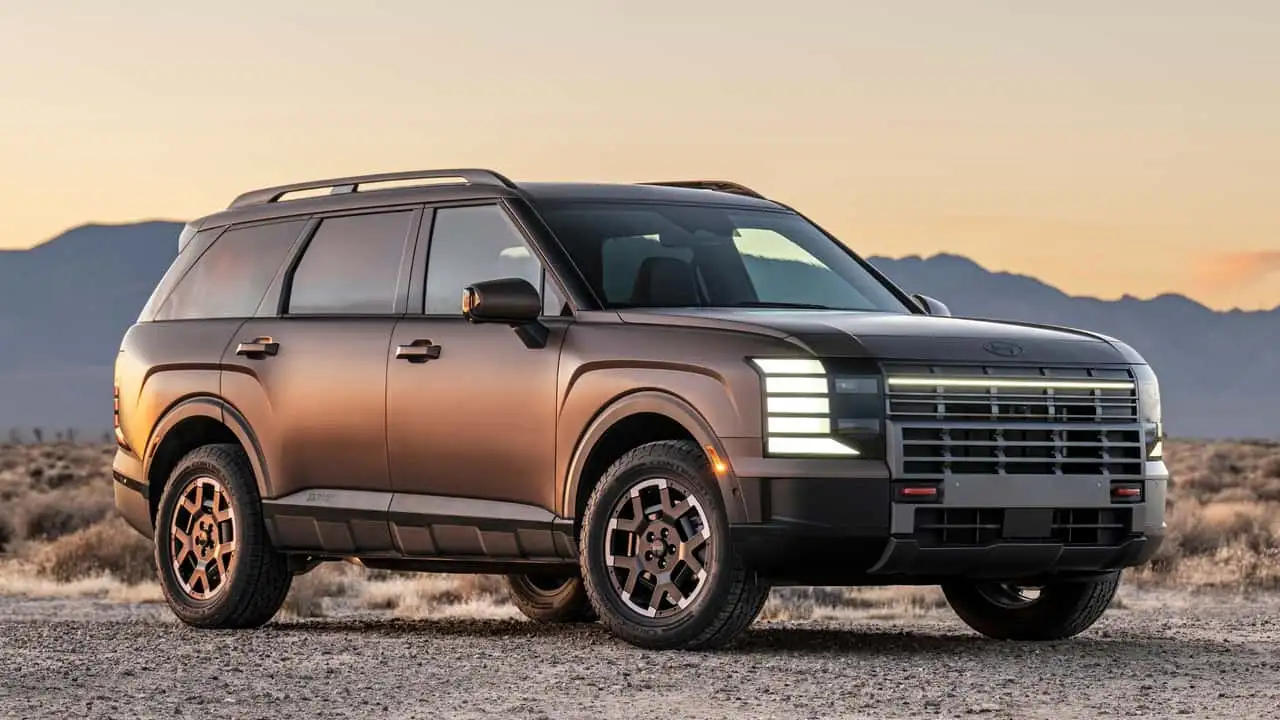
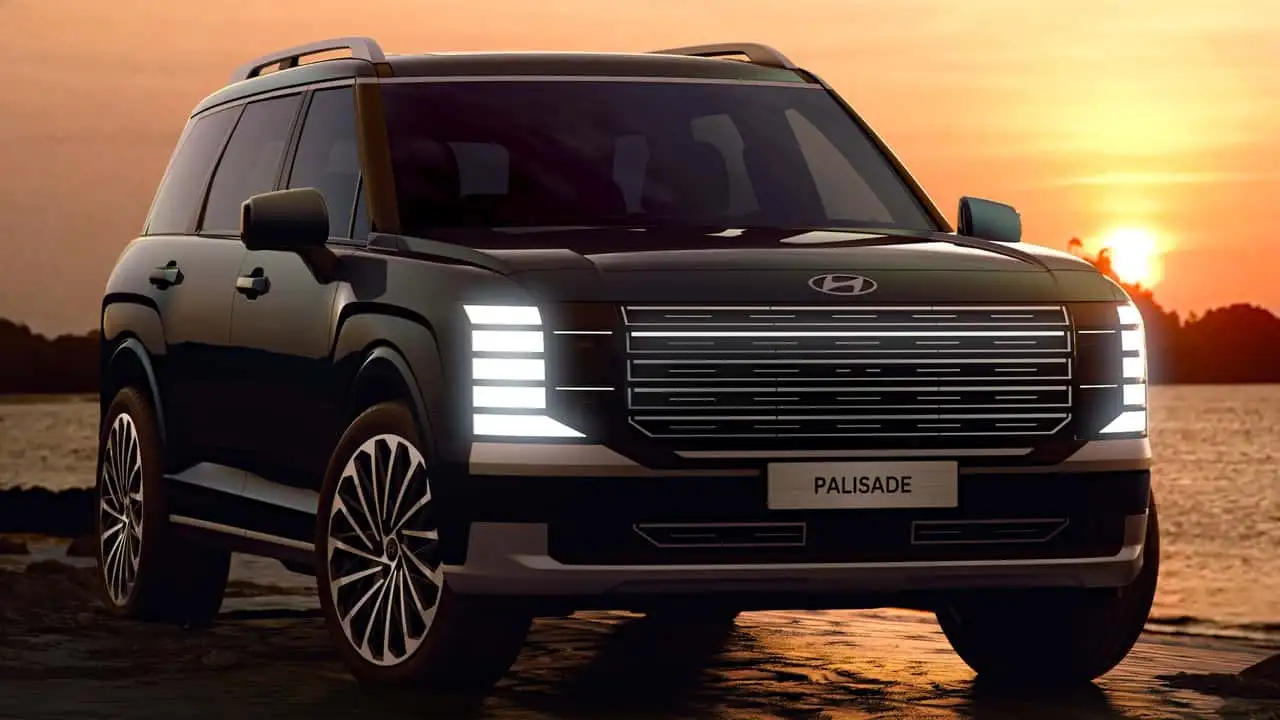
Hyundai Vehicle Safety Technology: Why Drivers Trust It
Hyundai vehicles earn distinction through rigorous engineering and advanced safety systems like forward collision-avoidance assist and automatic emergency braking, providing verified protection. The model lineup achieves TOP SAFETY PICK+ awards, demonstrating superior occupant protection. Millennium Hyundai offers these award-winning sedans, SUVs, and electrified crossovers, providing families with verified safety and peace of mind.
Shop New, Certified & Pre-Owned Hyundai
Browse inventory, book service, and apply for financing all in one place at Millennium Hyundai — serving Hempstead, Garden City, Uniondale, Freeport, Levittown, Valley Stream, and all of Long Island, NY.
Key Takeaways
- Hyundai vehicles earn distinction through rigorous engineering and advanced safety systems like forward collision-avoidance assist and automatic emergency braking.
- The model lineup achieves TOP SAFETY PICK+ awards, demonstrating superior occupant protection from independent evaluators.
- Hyundai's platform design directs crash energy away from the cabin through high-strength steel reinforcements and strategic crumple zones.
- Hyundai SmartSense integrates advanced sensors, cameras, and radar to monitor the road and intervene when hazards appear.
What Makes Hyundai Vehicle Safety Technology Stand Out?
Hyundai vehicle safety technology stands out through a deliberate integration of active prevention systems and structural engineering. The automaker builds its approach on three pillars: innovative engineering, enhanced safety features, and a commitment to sustainability. Drivers who overlook these integrated protections risk choosing vehicles that react slower to hazards and offer less occupant protection during collisions.
Hyundai Vehicle Safety Technology encompasses a suite of systems designed to prevent accidents before they occur. The philosophy moves beyond passive protection like airbags and crumple zones. It prioritizes active intervention.
How Do Hyundai's Active Safety Systems Work?
Newly designed Hyundai vehicles incorporate forward collision-avoidance assist, lane keeping assist, and automatic emergency braking as standard equipment. These systems use cameras and radar to monitor the road continuously. When a potential collision is detected, the vehicle alerts the driver and can apply brakes autonomously. This layered approach reduces reaction-time gaps that lead to common urban and highway crashes.
What Structural Features Support Hyundai's Safety Ratings?
The engineering foundation matters as much as the software. Hyundai's platform design directs crash energy away from the cabin through high-strength steel reinforcements. This structural strategy helps models earn recognition from independent evaluators. The Insurance Institute for Highway Safety (IIHS) named multiple Hyundai models as TOP SAFETY PICK and TOP SAFETY PICK+ winners, requiring good ratings in the small overlap front test and the updated moderate overlap front test.
The technology suite also supports everyday driving confidence. Lane keeping assist gently corrects steering when a vehicle drifts without signaling. Forward collision-avoidance assist scans for vehicles, pedestrians, and cyclists at intersections. These features work together to create a protective bubble around the vehicle.
Millennium Hyundai, located in Hempstead, NY, offers new and used Hyundai vehicles equipped with these safety technologies. The company's inventory includes sedans, SUVs, and electrified models that carry the latest driver-assistance packages. Shoppers across Long Island and Garden City benefit from examining these systems during test drives. Understanding how the technology functions transforms an abstract feature list into a tangible safety advantage.
How Does Hyundai's Structural Engineering Protect Occupants?
Hyundai structural engineering protects occupants through a high-strength steel safety cage and strategic crumple zones. The body structure absorbs crash energy away from the cabin while maintaining survival space integrity. Hyundai models are defined by innovative engineering and enhanced safety features, according to industry analysis. This engineering philosophy channels collision forces along predetermined paths, preventing intrusion into the passenger compartment.
Hyundai Vehicle Safety Technology integrates multiple structural elements working in concert. The front frame rails deform progressively, absorbing energy before it reaches the footwell. Side-impact beams in the doors transfer force to the roof pillars and floor crossmembers. These components create a rigid perimeter around occupants.
What materials make Hyundai's safety cage so strong?
Advanced high-strength steel forms the core of the passenger cell. This material offers exceptional tensile strength without excessive weight. The strategic placement of these alloys reinforces the A-pillars, B-pillars, and roof rails. Hot-stamped steel components in critical junctions resist deformation during rollover events.
How do crumple zones work with the safety cage?
Crumple zones collapse in a controlled manner during frontal impacts. The engine compartment shortens while the passenger cabin remains intact. This deceleration management reduces the force transmitted to occupants. Hyundai vehicles consistently top the lists of the safest cars on the road, a distinction rooted in this structural approach and comprehensive testing.
The rear structure follows similar principles. Longitudinal members behind the bumper absorb low-speed impacts. The fuel tank sits forward of the rear axle, shielded by the subframe. These design choices protect against intrusion in rear-end collisions. Millennium Hyundai serves communities near Huntington, Long Island, Hicksville, and Valley Stream, where families rely on this engineering daily. The service department at Millennium Hyundai can be reached at 516-874-3861 for structural integrity inspections after any collision.
What Is the Hyundai SmartSense Active Safety Suite?
Hyundai SmartSense is the brand's integrated suite of active safety and driver-assistance technologies. This system bundles advanced sensors, cameras, and radar to monitor the road and intervene when hazards appear. Hyundai models are defined by innovative engineering, enhanced safety features, and a focus on sustainability. The SmartSense package turns that engineering philosophy into real-time protection for drivers and passengers.
What specific technologies does Hyundai SmartSense include?
The SmartSense suite incorporates several core systems. Forward collision-avoidance assist scans the road ahead and warns of impending impacts. If the driver does not react, the system applies the brakes automatically. Lane keeping assist detects lane markings and gently corrects steering to prevent unintentional drift. Automatic emergency braking activates when a collision is imminent and the driver has not responded. These features provide heightened awareness and protection during daily commutes and highway travel.
How does SmartSense protect drivers in everyday situations?
The technology works across common driving scenarios. Forward collision-avoidance assist tracks vehicles, pedestrians, and cyclists in the vehicle's path. Lane keeping assist intervenes on highways where momentary distraction causes drift. Automatic emergency braking reduces impact severity or avoids the collision entirely. Together, these systems create overlapping layers of protection. No single sensor or camera carries the full burden. The suite cross-references data continuously, which reduces false alerts and improves response accuracy.
Which Hyundai vehicles offer the SmartSense suite?
Millennium Hyundai, located in Hempstead, NY, offers new and used Hyundai vehicles equipped with SmartSense technology. The suite appears across sedans, SUVs, and electrified models in the current lineup. Shoppers evaluating Hyundai Vehicle Safety Technology find the features standard or available on most trims. The broad availability means families and commuters do not need to choose between affordability and advanced protection.
How Do IIHS and NHTSA Ratings Validate Hyundai Safety?
Independent crash testing gives prospective buyers a measurable way to compare vehicle protection. The Insurance Institute for Highway Safety (IIHS) awards two designations: Top Safety Pick, granted since the 2006 model year, and Top Safety Pick+, introduced in 2013. Vehicles that perform best in IIHS evaluations qualify for these awards, which identify the strongest safety choices within each size category.
Hyundai Vehicle Safety Technology earns validation through these rigorous protocols. The Top Safety Pick+ criteria require a Good rating in the small overlap front test, the updated moderate overlap front test, and the updated side test. A Good rating represents the highest achievable score in each evaluation.
What Do the Top Safety Pick+ Requirements Include?
The criteria demand consistent performance across multiple crash scenarios. A vehicle must earn a Good rating in three specific tests:
- Small overlap front test
- Updated moderate overlap front test
- Updated side test
These evaluations simulate real-world collisions that often produce serious injuries. Passing all three at the Good level signals robust occupant protection.
Does Vehicle Size Affect Crash Protection?
Larger, heavier vehicles generally afford more protection than smaller, lighter ones. A small car that qualifies for an award might not protect its occupants as well as a bigger vehicle that does not earn the award. Buyers comparing Hyundai sedans against SUVs should weigh this physical reality alongside award status.
Millennium Hyundai maintains service hours Monday through Saturday from 7:00 AM to 4:00 PM, closed on Sunday, so owners can keep safety systems functioning properly. Regular maintenance preserves the crash-avoidance technologies that IIHS and NHTSA evaluations measure.
Which Hyundai Models Offer the Best Safety for Families?
Hyundai vehicles consistently rank among the safest cars on the road. Families in Hempstead, Garden City, and across Long Island find a range of protective models at Millennium Hyundai. The lineup spans from incredibly efficient compact sedans to spacious SUVs and cutting-edge electric crossovers. Each body style brings distinct safety advantages for different family needs.
Hyundai Vehicle Safety Technology forms the backbone of this protection. Forward collision-avoidance assist, lane keeping assist, and automatic emergency braking come standard or available across the lineup. These systems provide heightened awareness during daily commutes and weekend trips alike. The technology works actively to prevent accidents before they occur.
What makes Hyundai SUVs a safe choice for growing families?
The Tucson and Santa Fe deliver elevated driving positions and generous passenger space. Their larger frames provide inherent protection that smaller vehicles cannot match. Both models incorporate the full suite of Hyundai's advanced safety systems. These SUVs suit families needing room for car seats, sports equipment, and daily errands.
How do Hyundai sedans protect new drivers?
The Sonata and Elantra offer manageable footprints without sacrificing safety. New drivers benefit from standard collision-avoidance features that compensate for inexperience. These sedans deliver impressive fuel economy alongside robust protective engineering. Millennium Hyundai offers new and used Hyundai vehicles, giving families flexible access to these secure models.
Are Hyundai electric models safe for family use?
The Kona Electric combines zero-emission driving with the same rigorous safety engineering found across the lineup. Its battery placement lowers the center of gravity, enhancing stability. Families gain cutting-edge protection without combustion emissions. The model proves that sustainability and security work together seamlessly.
How Does Hyundai Safety Technology Handle Long Island Roads?
Hyundai safety technology equips drivers for the unpredictable conditions common on Long Island roadways. Hyundai Vehicle Safety Technology integrates multiple active systems that monitor surroundings and intervene when risks escalate. Without these automated safeguards, drivers face increased collision exposure during sudden highway braking, tight suburban parking maneuvers, and congested parkway merges.
What Active Safety Features Come Standard on New Hyundai Models?
These systems provide drivers with heightened awareness and protection by scanning ahead for vehicles, pedestrians, and lane markings. Forward collision-avoidance assist alerts the driver and applies braking if a frontal impact becomes imminent. Lane keeping assist gently corrects steering when the vehicle drifts without a turn signal. Automatic emergency braking activates independently to reduce collision severity or avoid the crash entirely.
How Does This Technology Benefit Long Island Commuters?
Long Island driving presents unique challenges. The Northern State Parkway demands constant speed adjustments. Sunrise Highway features frequent stop-and-go traffic. Local roads near Huntington, Hicksville, and Valley Stream require precise low-speed maneuvering. Hyundai safety technology addresses each scenario. Forward collision-avoidance assist reduces rear-end collision risk during sudden highway slowdowns. Lane keeping assist counteracts fatigue-induced drifting on long commutes. Automatic emergency braking protects against unexpected obstacles in crowded shopping center lots.
Millennium Hyundai, located in Hempstead, NY, serves communities across the region. Prospective buyers near Huntington, Long Island, Hicksville, and Valley Stream can explore these safety systems firsthand. The company's sales hours run Monday through Friday from 9:00 AM to 9:00 PM, Saturday from 9:00 AM to 6:00 PM, and Sunday from 11:00 AM to 5:00 PM.
What Safety Features Come Standard on New Hyundai Models?
New Hyundai models come standard with forward collision-avoidance assist, lane keeping assist, and automatic emergency braking. These three systems form the core of Hyundai Vehicle Safety Technology across the current lineup. Drivers who skip these standard systems lose protection that once required expensive option packages.
What Does Forward Collision-Avoidance Assist Actually Do?
Forward collision-avoidance assist scans the road ahead for vehicles, pedestrians, and cyclists. The system warns the driver when a collision risk appears. If the driver does not react in time, the system applies braking automatically to reduce impact severity. This intervention reduces crash severity or prevents the impact entirely.
How Do Lane Keeping Assist and Automatic Emergency Braking Work Together?
Lane keeping assist monitors lane markings and gently corrects steering when the vehicle drifts. Automatic emergency braking activates when a forward collision is imminent and the driver has not braked sufficiently. Together, these features address two of the most common crash scenarios: unintended lane departure and rear-end collisions.
Millennium Hyundai offers new and used Hyundai vehicles equipped with these standard safety technologies. Shoppers near Hempstead, Garden City, and Long Island can inspect these systems in person. The service department at Millennium Hyundai can be reached at 516-874-3861 for questions about maintaining or calibrating safety sensors.
Where Can You Experience Hyundai Safety Technology Firsthand?
Prospective buyers evaluate Hyundai Vehicle Safety Technology most effectively through direct, hands-on interaction with the vehicles themselves. Reading about safety ratings provides one layer of confidence. Sitting behind the wheel and testing the systems delivers a far more complete understanding of how these features protect drivers and passengers on Long Island roads.
What dealership provides access to the latest Hyundai safety innovations?
Millennium Hyundai maintains a full inventory of new and used Hyundai vehicles equipped with current safety systems. The dealership is located in Hempstead, NY. Shoppers from Huntington, Long Island, Hicksville, and Valley Stream visit this location to compare models and experience driver-assistance features in person.
When can customers schedule a test drive to evaluate safety features?
The sales department welcomes visitors during extended hours throughout the week. Operating hours run Monday through Friday from 9:00 AM to 9:00 PM. Saturday hours span 9:00 AM to 6:00 PM. Sunday hours are available from 11:00 AM to 5:00 PM. These schedules accommodate both weekday commuters and weekend shoppers seeking to explore vehicle safety capabilities without rushing.
FAQ
How do Hyundai's active safety systems prevent collisions?
Forward collision-avoidance assist and automatic emergency braking use cameras and radar to monitor the road and apply brakes autonomously when a potential collision is detected.
Conclusion
Hyundai safety technology transforms standard features into real protection for Long Island drivers. Forward collision-avoidance assist, lane keeping assist, and automatic emergency braking address the specific challenges of parkway merges, highway slowdowns, and suburban maneuvering. These systems work together to reduce collision risk without requiring driver intervention. Choosing a Hyundai means selecting a vehicle engineered to anticipate hazards and respond automatically. Visit Millennium Hyundai in Hempstead to experience these safety innovations firsthand.
Our Hempstead Showroom
Hempstead, NY 11550
Millennium Hyundai
Address
265 N Franklin St
Hempstead, NY 11550
Phone
- Sales 516-272-4351
- Service 516-874-3861
- Parts 516-279-3418
| Monday | 9:00AM - 9:00PM |
| Tuesday | 9:00AM - 9:00PM |
| Wednesday | 9:00AM - 9:00PM |
| Thursday | 9:00AM - 9:00PM |
| Friday | 9:00AM - 9:00PM |
| Saturday | 9:00AM - 6:00PM |
| Sunday | 11:00AM - 5:00PM |
| Monday | 7:00AM - 4:00PM |
| Tuesday | 7:00AM - 4:00PM |
| Wednesday | 7:00AM - 4:00PM |
| Thursday | 7:00AM - 4:00PM |
| Friday | 7:00AM - 4:00PM |
| Saturday | 7:00AM - 4:00PM |
| Sunday | Closed |
| Monday | 7:00AM - 4:00PM |
| Tuesday | 7:00AM - 4:00PM |
| Wednesday | 7:00AM - 4:00PM |
| Thursday | 7:00AM - 4:00PM |
| Friday | 7:00AM - 4:00PM |
| Saturday | 7:00AM - 4:00PM |
| Sunday | Closed |
