


What Makes Hyundai Safety Features Stand Out?
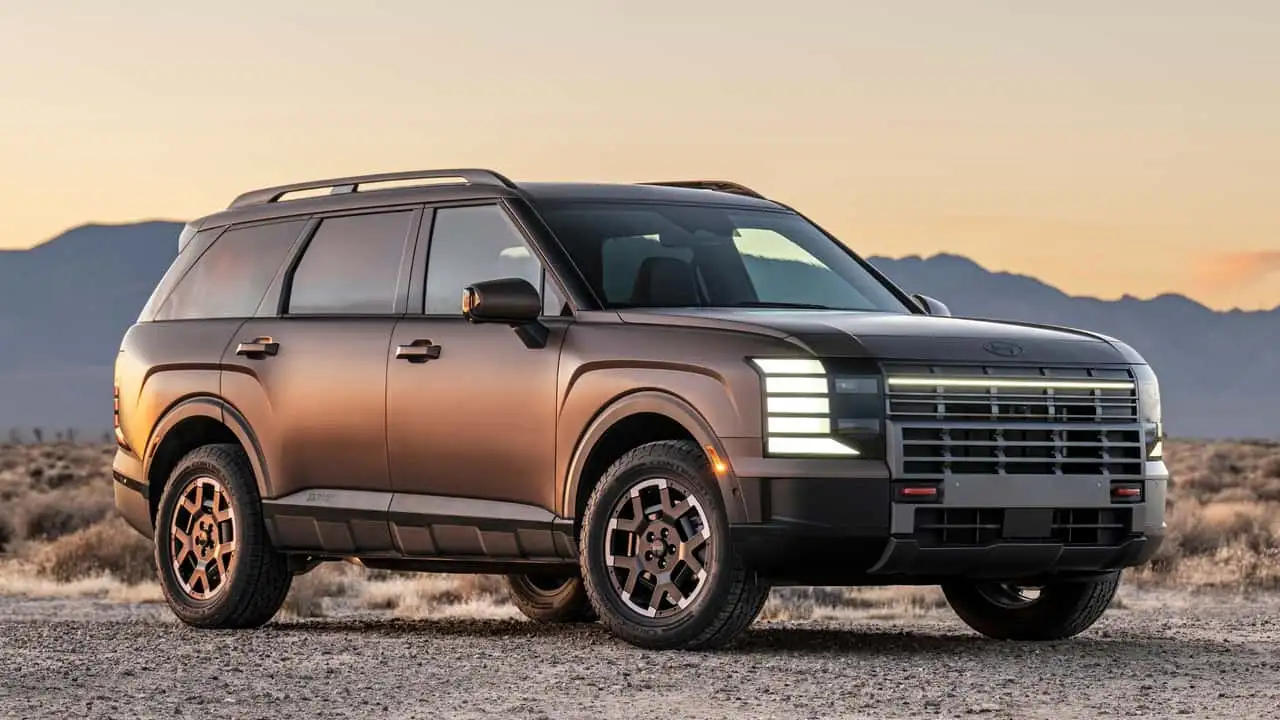
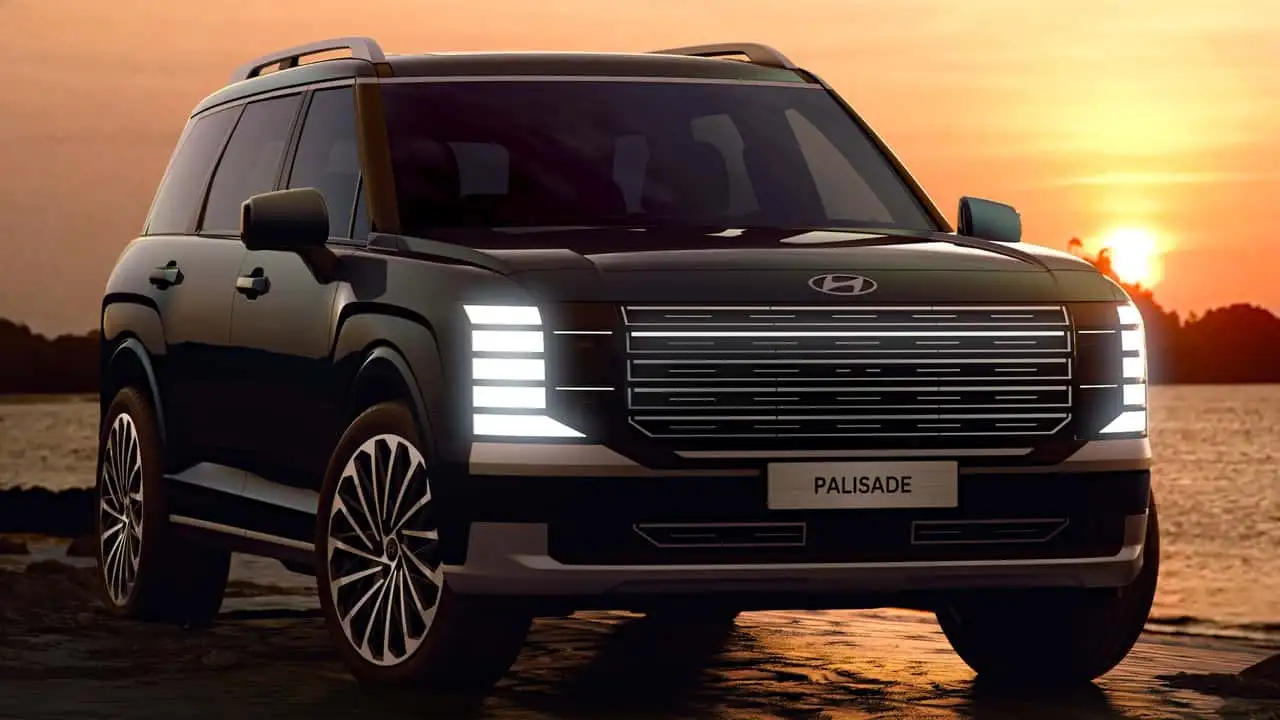
Hyundai Safety Features Overview: What Sets Them Apart
Hyundai’s safety distinction rests on standard SmartSense technology, including Driver Attention Alert and Rear Occupant Alert. Hyundai Safety Features Overview actively monitors fatigue and detects rear-seat movement, sounding the horn if motion is sensed after locking. Hyundai Safety Features Overview delivers protection that goes beyond passive airbags through a proactive, camera-and-sensor-driven approach, making every Hyundai model a secure choice.
Shop New, Certified & Pre-Owned Hyundai
Browse inventory, book service, and apply for financing all in one place at Millennium Hyundai — serving Hempstead, Garden City, Uniondale, Freeport, Levittown, Valley Stream, and all of Long Island, NY.
Key Takeaways
- Hyundai SmartSense uses cameras, radar, and algorithms to provide continuous 360-degree road awareness.
- Forward Collision-Avoidance Assist automatically applies emergency braking when a collision threat emerges.
- Blind-Spot Collision-Avoidance Assist applies selective braking to pull the vehicle back into its lane.
- Smart Cruise Control with Stop & Go automatically accelerates and brakes in dense traffic.
What defines Hyundai safety features?
Hyundai safety features are primarily grouped under a system called Hyundai SmartSense. This integrated suite uses cameras, radar sensors, and software algorithms to constantly scan the road. Hyundai SmartSense acts as an "extra set of eyes" for the driver, monitoring the front, sides, and rear of the vehicle. The core philosophy behind SmartSense is to provide driver assistance that helps improve awareness and support safer driving habits. These technologies do not replace attentive driving. They provide valuable assistance in real-world situations where quick reactions matter.
How does Hyundai SmartSense monitor the road?
The system relies on a network of sensors positioned around the vehicle. Forward-facing cameras and radar units track traffic ahead. Side sensors watch adjacent lanes. Rear sensors monitor what is behind the car. Software algorithms process this data in real time. The result is a continuous 360-degree awareness that a driver alone cannot maintain.
What is the purpose of driver-assistance technology?
Driver-assistance features exist to reduce risk, not eliminate driver responsibility. SmartSense alerts drivers to potential hazards they might miss. It intervenes only when a collision risk becomes immediate. The technology supports safer habits by reducing cognitive load during routine driving. Drivers remain fully in control at all times. The system simply adds a layer of electronic vigilance.
Millennium Hyundai in Hempstead offers a wide selection of new Hyundai models equipped with these advanced safety technologies. Shoppers across Long Island find the latest SmartSense features on sedans, SUVs, and electrified vehicles. The dealership's inventory reflects Hyundai's commitment to making advanced safety accessible across its entire lineup.
How does Hyundai prevent collisions?
Hyundai prevents collisions through a network of sensors, cameras, and radar that actively monitor the road. The Hyundai Safety Features Overview centers on a suite called SmartSense, which intervenes when a driver fails to react in time. Without these systems, a momentary distraction or a hidden vehicle in a blind spot turns into a serious crash. The technology does not replace attentive driving. It serves as a second set of eyes that never blinks.
What does Forward Collision-Avoidance Assist actually do?
Forward Collision-Avoidance Assist (FCA) uses a front-mounted camera and radar to scan for vehicles, pedestrians, and cyclists ahead. The system calculates closing speed and distance in real time. If a collision threat emerges and the driver does not brake, FCA issues an urgent warning. It then applies emergency braking automatically to reduce impact severity or avoid the crash entirely.
How does the vehicle watch for hidden dangers in adjacent lanes?
Blind-Spot Collision-Avoidance Assist (BCA) detects vehicles lurking in the driver's blind spots during lane changes. Radar sensors monitor the areas alongside and behind the vehicle. When a driver signals a lane change with a vehicle in the danger zone, the system sounds an alert. If the driver proceeds anyway, BCA applies selective braking to the opposite-side wheels. This counter-steering effect pulls the vehicle back into its original lane.
Lane Keeping Assist (LKA) and Lane Following Assist (LFA) address unintentional drifting. A forward camera tracks lane markings and the vehicle's position between them. LKA provides gentle steering corrections when the vehicle begins to drift without a turn signal. LFA works more proactively, helping keep the vehicle centered in the lane during highway driving. Both systems reduce the fatigue that leads to late corrections.
Millennium Hyundai's service department performs system diagnostics to ensure these safety features are functioning correctly. Calibration errors or sensor obstructions degrade performance silently. Regular checks catch these issues before a system fails to respond when it matters most.
What driver assistance aids commuters?
Hyundai equips its vehicles with a suite of driver assistance technologies designed to reduce fatigue and increase awareness during repetitive commutes. These systems actively monitor the road and the driver, intervening with alerts or automated adjustments to prevent common traffic incidents. Without these aids, drivers face a higher risk of rear-end collisions in stop-and-go traffic and lane-drift accidents caused by momentary inattention.
Smart Cruise Control (SCC) with Stop & Go forms the foundation of stress-free highway travel. The system uses forward-facing sensors to maintain a preset distance from the vehicle ahead, automatically accelerating and braking with the flow of traffic. In dense congestion, SCC brings the car to a complete stop and resumes motion when the path clears. This constant speed modulation removes the physical strain of pedal work during long commutes.
How does Highway Driving Assist work on crowded expressways?
Highway Driving Assist (HDA) builds on SCC by adding steering support. The technology combines adaptive cruise control with Lane Following Assist to keep the vehicle centered in its lane on controlled-access highways. HDA adjusts speed based on posted limits and curves, providing semi-autonomous support that lightens the cognitive load of navigating heavy but predictable expressway traffic.
What prevents distracted driving at traffic lights?
Two additional features address the stop-and-start rhythm of urban commuting. Leading Vehicle Departure Alert detects when the car ahead pulls forward from a standstill and notifies the driver with a visual and audible prompt. This prevents the common delay of a distracted driver holding up traffic at a green light. Meanwhile, Driver Attention Warning (DAW) analyzes steering corrections and driving patterns through a mounted camera. When the system identifies behavior consistent with fatigue, it issues an alert recommending a break. Hyundai's safety technology, collectively branded as Hyundai SmartSense, transforms the daily commute from a high-stress task into a more controlled and monitored driving experience.
Which features protect families in urban areas?
Urban driving presents unique risks: parallel parking on busy streets, cyclists passing on the right, and children exiting vehicles near traffic. Hyundai addresses these hazards with a Hyundai Safety Features Overview that includes door-level protection, rear-seat monitoring, and full-surround visibility. Families who skip these technologies lose critical seconds of reaction time in dense traffic.
Safe Exit Assist (SEA) prevents passengers from opening doors into oncoming traffic. The system detects vehicles approaching from behind and temporarily locks the door. This feature matters most on narrow streets where bike lanes and delivery trucks create constant blind spots.
How does Safe Exit Assist work in city traffic?
SEA uses rear-facing sensors to monitor approaching vehicles, cyclists, and pedestrians. When a hazard is detected, the door remains locked for a brief moment. The driver or passenger can then exit safely once the path clears.
Rear Occupant Alert (ROA) addresses a different urban risk: leaving a child or pet in a parked car. According to myHyundai News, ROA uses an ultrasonic sensor to detect movement in the rear seats after the driver locks the vehicle. If movement is detected, the system sounds the horn and flashes the headlights.
What happens if a child is left in the back seat?
The ultrasonic sensor scans the rear cabin after locking. Movement triggers the horn and headlights. This alert draws attention from nearby pedestrians and the returning driver.
Surround View Monitor (SVM) provides a 360-degree bird's-eye view of the vehicle's surroundings. myHyundai News notes that SVM helps when luggage blocks the rear view or when a tight parking spot restricts visibility. Millennium Hyundai serves families in communities like Huntington, Long Island, Hicksville, and Valley Stream, where parallel parking and crowded lots make this feature especially valuable.
| Feature | Primary Urban Risk Addressed |
|---|---|
| Safe Exit Assist | Door opening into traffic |
| Rear Occupant Alert | Child or pet left in vehicle |
| Surround View Monitor | Obstructed parking visibility |
These three systems work together to cover the most common family safety failures in city driving.
How does Hyundai earn top safety awards?
Hyundai earns top safety awards through rigorous structural engineering and standard advanced driver-assistance systems. The Insurance Institute for Highway Safety (IIHS) consistently grants Top Safety Pick and Top Safety Pick+ designations to multiple Hyundai models. These awards reflect strong performance in crashworthiness tests and crash prevention evaluations. Without this recognition, shoppers lose a clear, independent benchmark for comparing vehicle safety across brands.
What makes Hyundai's body structure so crash-resistant?
Hyundai builds vehicles with a high-strength steel body architecture that enhances structural integrity during collisions. This design absorbs and redirects crash energy away from the cabin. The rigid passenger cell helps maintain survival space when impacts occur. Stronger steel in critical areas reduces intrusion, protecting occupants from serious injury.
Why does Hyundai include advanced safety features as standard equipment?
Hyundai democratizes advanced safety by including many Hyundai Safety Features Overview technologies as standard across its model range. The SmartSense suite bundles functions like forward collision-avoidance assist and lane keeping assist without requiring expensive option packages. Buyers avoid the hidden cost of adding safety tech piece by piece. This approach makes modern protection accessible to families and commuters who might otherwise skip it.
Standard SmartSense features monitor the road, warn of hazards, and intervene when drivers cannot react in time. The system uses cameras and radar to detect vehicles, pedestrians, and lane markings. Alerts sound before danger becomes unavoidable. Automatic braking engages if the driver fails to respond. These interventions prevent or mitigate frontal crashes, the most common type of serious collision.
Millennium Hyundai offers new Hyundai models that feature this award-winning safety technology. Shoppers in Hempstead can test drive vehicles equipped with the full SmartSense package. Seeing the alerts and interventions in real time clarifies how the systems support daily driving. The combination of a high-strength steel body and standard active safety explains Hyundai's repeated IIHS success.
Can Hyundai safety features be turned off?
Most Hyundai driver assistance features can be temporarily disabled. Drivers control these systems through steering wheel buttons or the infotainment settings menu. This flexibility allows customization of the driving experience without permanently removing safety protections.
Hyundai Safety Features Overview reveals a deliberate design philosophy. Some systems offer manual override. Others remain permanently active. The distinction matters for daily driving comfort and family protection.
Which Hyundai safety features can drivers turn off?
Lane Keeping Assist and Forward Collision Warning are among the most commonly adjusted systems. A driver navigates to the vehicle settings menu on the central touchscreen. From there, individual features toggle on or off. The steering wheel also provides quick-access buttons for certain functions. These adjustments last until the driver reactivates the systems or restarts the vehicle.
Which Hyundai safety features stay on automatically?
Several critical protections resist manual override. Rear Occupant Alert (ROA) activates when the driver locks the vehicle. An ultrasonic sensor scans the cabin for movement. If the system detects a child or pet left behind, it sounds the horn and flashes the headlights. Safe Exit Assist (SEA) works similarly. It prevents doors from opening into approaching traffic. These features prioritize consistent protection over driver preference.
Drivers seeking guidance on specific settings can consult the owner's manual. The service department at Millennium Hyundai also provides hands-on assistance. Technicians explain how each system functions and demonstrate adjustment procedures. This support helps owners balance safety technology with personal driving preferences.
What makes Hyundai safety features stand out?
Hyundai distinguishes itself by making advanced safety technology standard across its entire lineup. Many competitors reserve comparable systems for expensive trim levels or option packages. Hyundai's Hyundai Safety Features Overview reveals a philosophy of democratizing protection, equipping base models with the same core driver-assistance technologies found on flagship vehicles. This approach eliminates the trade-off between affordability and security that frustrates safety-conscious families and commuters.
Visibility-enhancing systems further separate Hyundai from mainstream rivals. The Blind-Spot View Monitor (BVM) projects a live camera feed of the adjacent lane directly into the digital instrument cluster whenever the turn signal activates. The Surround View Monitor (SVM) stitches together a 360-degree overhead image of the vehicle, transforming tight parking maneuvers and obstructed sightlines into manageable situations. According to myHyundai News, SVM proves especially valuable when luggage blocks the rear window or when navigating confined spaces with restricted vision. These camera-based aids deliver a level of situational awareness typically associated with luxury brands.
How do Hyundai safety features assist without distracting the driver?
Hyundai engineers these systems to be intuitive and non-intrusive. Alerts arrive as subtle visual cues or gentle steering nudges rather than jarring alarms. The technology provides valuable assistance in real-world situations where quick reactions matter, yet it never replaces attentive driving. Drivers receive support precisely when needed, without the fatigue of constant notifications.
What specific monitoring features protect occupants inside the vehicle?
Interior monitoring adds another layer of protection. Driver Attention Alert (DAA) analyzes steering corrections and driving patterns through a mounted camera to detect signs of fatigue. When patterns suggest drowsiness, the system advises the driver to take a break. Rear Occupant Alert (ROA) uses an ultrasonic sensor to detect movement inside the vehicle after it is locked. If movement registers, the horn sounds and headlights flash, ensuring no passenger or pet is left behind.
Millennium Hyundai in Hempstead provides customers with a comprehensive walkthrough of these technologies, helping buyers understand how each feature functions in daily driving. The dealership's expertise bridges the gap between technical specifications and practical, real-world benefits.
Where can I test drive safe Hyundai models?
Millennium Hyundai in Hempstead offers test drives of new Hyundai models equipped with advanced Hyundai Safety Features Overview technology. The dealership's location provides direct access to Long Island roads where drivers can experience SmartSense systems in real traffic conditions. These active safety aids respond to actual hazards during a test drive, not just a showroom explanation.
What safety systems activate during a test drive?
Forward collision avoidance and lane keeping assist engage automatically on local roads. Blind-spot monitoring alerts the driver to vehicles in adjacent lanes during highway merges. The surround view monitor simplifies parking maneuvers at the end of the route.
When is the dealership open for test drives?
Sales hours accommodate varied schedules throughout the week. The showroom operates Monday through Friday from 9:00 AM to 9:00 PM. Saturday hours run from 9:00 AM to 6:00 PM, and Sunday hours span 11:00 AM to 5:00 PM.
Millennium Hyundai serves communities near Huntington, Long Island, Hicksville, and Valley Stream. Families from these areas reach the dealership quickly for a hands-on safety evaluation. A test drive transforms abstract feature lists into tangible driver confidence.
FAQ
What is Hyundai SmartSense technology?
Hyundai SmartSense uses cameras, radar, and algorithms to provide continuous 360-degree road awareness, monitoring the front, sides, and rear of the vehicle.
How does Rear Occupant Alert work?
Rear Occupant Alert detects rear-seat movement and sounds the horn if motion is sensed after locking the vehicle.
What does Forward Collision-Avoidance Assist do?
Forward Collision-Avoidance Assist uses a front-mounted camera and radar to scan for vehicles, pedestrians, and cyclists ahead, automatically applying emergency braking when a collision threat emerges.
Conclusion
Hyundai safety features stand out because the brand makes advanced protection standard across every model, not just premium packages. Systems like Blind-Spot View Monitor and Surround View Monitor deliver luxury-level awareness without requiring expensive upgrades. For drivers who value both affordability and security, this philosophy eliminates the compromise found elsewhere. A test drive at Millennium Hyundai in Hempstead provides the clearest way to experience how these technologies build confidence on Long Island roads.
Our Hempstead Showroom
Hempstead, NY 11550
Millennium Hyundai
Address
265 N Franklin St
Hempstead, NY 11550
Phone
- Sales 516-272-4351
- Service 516-874-3861
- Parts 516-279-3418
| Monday | 9:00AM - 9:00PM |
| Tuesday | 9:00AM - 9:00PM |
| Wednesday | 9:00AM - 9:00PM |
| Thursday | 9:00AM - 9:00PM |
| Friday | 9:00AM - 9:00PM |
| Saturday | 9:00AM - 6:00PM |
| Sunday | 11:00AM - 5:00PM |
| Monday | 7:00AM - 4:00PM |
| Tuesday | 7:00AM - 4:00PM |
| Wednesday | 7:00AM - 4:00PM |
| Thursday | 7:00AM - 4:00PM |
| Friday | 7:00AM - 4:00PM |
| Saturday | 7:00AM - 4:00PM |
| Sunday | Closed |
| Monday | 7:00AM - 4:00PM |
| Tuesday | 7:00AM - 4:00PM |
| Wednesday | 7:00AM - 4:00PM |
| Thursday | 7:00AM - 4:00PM |
| Friday | 7:00AM - 4:00PM |
| Saturday | 7:00AM - 4:00PM |
| Sunday | Closed |
