


Hyundai Safety Ratings Explained for Families
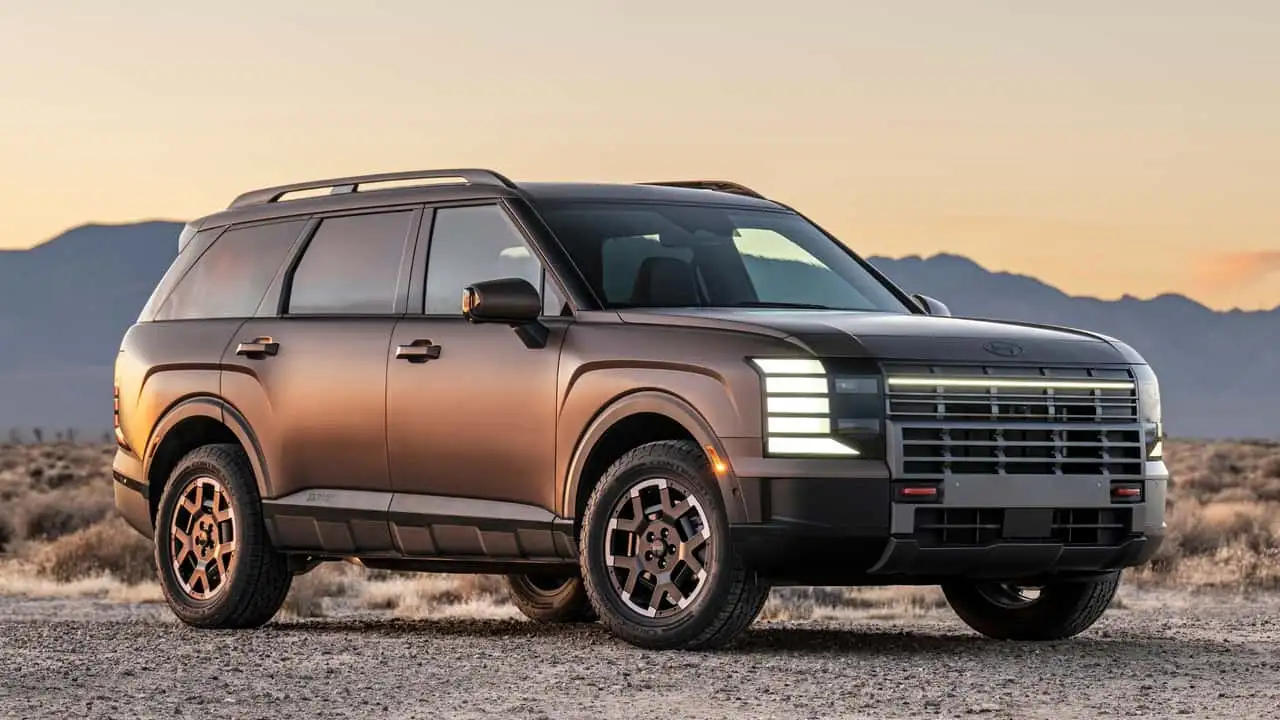
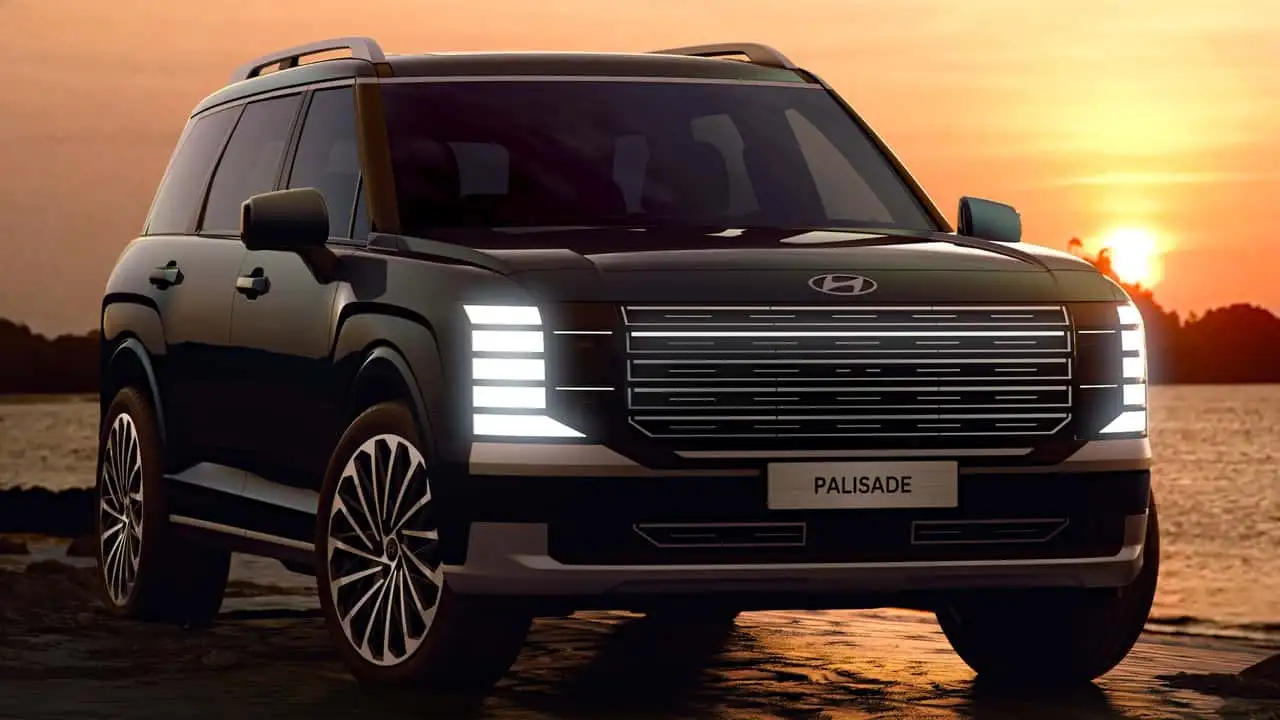
Hyundai Dealer Safety Ratings for Families
Hyundai vehicles earn IIHS Top Safety Pick ratings through rigorous crash testing and standard advanced safety suites. Families benefit from features like forward collision avoidance and blind-spot monitoring across models. Millennium Hyundai, a car dealership focusing on the latest model year vehicles, offers these family-focused safety technologies.
Shop New, Certified & Pre-Owned Hyundai
Browse inventory, book service, and apply for financing all in one place at Millennium Hyundai — serving Hempstead, Garden City, Uniondale, Freeport, Levittown, Valley Stream, and all of Long Island, NY.
Key Takeaways
- Eight Hyundai models earned IIHS safety awards: Tucson, Santa Fe, Palisade, IONIQ 5, IONIQ 9, Kona, Sonata, and Elantra.
- NHTSA uses a 5-star system for frontal, side, and rollover crashes; IIHS adds headlight and crash prevention evaluations.
- Families should compare IIHS and NHTSA scores side by side and verify the exact trim level and model year tested.
What Do Hyundai Safety Ratings Mean for Your Family?
Hyundai safety ratings translate crash-test data into real-world protection predictions. Families shopping at a Hyundai Dealer Safety Ratings resource gain clarity on which vehicles best shield occupants during collisions. Without this information, parents risk selecting a vehicle that underperforms in the specific crash scenarios most dangerous to children.
Two independent organizations evaluate every new Hyundai. The National Highway Traffic Safety Administration (NHTSA) uses a 5-star system focused on frontal, side, and rollover crashes. The Insurance Institute for Highway Safety (IIHS) conducts more demanding tests, including small-overlap frontal impacts that replicate striking a tree or pole at the corner of the vehicle. These programs measure different threats, and a model excelling in one program does not automatically ace the other.
Which Hyundai Models Earned Top Safety Awards?
Several Hyundai vehicles secured IIHS safety awards. The Tucson, Santa Fe, Palisade, IONIQ 5, IONIQ 9, Kona, Sonata, and Elantra all earned recognition. Multiple Hyundai models also received a 5-star overall safety rating from NHTSA.
This dual recognition matters for family buyers. A vehicle earning both an IIHS award and a 5-star NHTSA rating demonstrates comprehensive protection across fundamentally different crash protocols.
How Do Families Use These Ratings When Comparing Vehicles?
Follow these steps to apply safety ratings during vehicle research:
- Identify the specific crash tests most relevant to family driving. Focus on side-impact and small-overlap frontal results. Side impacts pose elevated risk to children in rear seats.
- Compare IIHS and NHTSA scores side by side for each model under consideration. A Palisade and a Santa Fe may both earn awards, yet perform differently in individual test categories.
- Verify that the exact trim level and model year match the tested vehicle. Automakers sometimes update structures mid-cycle, altering results.
Millennium Hyundai maintains a current inventory of new and used Hyundai vehicles for families throughout Hempstead and surrounding communities. Shoppers examining these award-winning models receive direct access to the same vehicles earning top independent safety recognition. The ratings provide an objective baseline. The test drive confirms whether the vehicle fits a family's daily routine.
How Do NHTSA and IIHS Ratings Differ?
NHTSA and IIHS both evaluate vehicle safety but use different testing methods and rating systems. Shoppers who understand these differences make more informed decisions when comparing family vehicles at a Hyundai Dealer Safety Ratings consultation.
The National Highway Traffic Safety Administration uses a star-based system. Vehicles earn 1 to 5 stars, with 5 stars representing the highest level of crash protection. Several Hyundai models have received a 5 Star Overall Safety Rating from NHTSA, according to Hyundai Safety Ratings Explained. This rating combines frontal crash, side crash, and rollover resistance scores into a single, easy-to-read result.
The Insurance Institute for Highway Safety takes a different approach. IIHS assigns designations like Top Safety Pick and Top Safety Pick+, which require strong performance across multiple crashworthiness tests plus acceptable or good headlight ratings. The organization is funded by auto insurers, which is important context. Insurance companies pay out when cars crash, so they have a very direct financial reason to test vehicles honestly. This funding structure gives IIHS ratings a unique credibility that resonates with safety-conscious parents.
What does a 5-star NHTSA rating actually measure?
NHTSA focuses on how well a vehicle protects occupants during a crash. The frontal crash test simulates a head-on collision. The side crash test replicates a T-bone impact. Rollover resistance measures how likely a vehicle is to tip during sharp turns. Each test produces a star rating, and the overall score reflects combined performance.
Why do IIHS ratings matter for family vehicle shoppers?
IIHS tests go beyond basic crash protection. The institute evaluates headlight quality, which directly affects nighttime visibility during school pickups and evening commutes. IIHS also rates front crash prevention systems that help drivers avoid collisions entirely. For parents transporting children through Hempstead and Long Island traffic, these additional evaluations provide a more complete safety picture than crash tests alone.
| Rating Body | Funding Source | Rating System | Key Focus |
|---|---|---|---|
| NHTSA | Federal government | 1-5 stars | Crash protection and rollover risk |
| IIHS | Auto insurance companies | Top Safety Pick / Pick+ | Crashworthiness, headlights, crash prevention |
Both organizations serve distinct purposes. NHTSA provides a straightforward star rating that simplifies comparison shopping. IIHS delivers deeper analysis that reflects real-world insurance risk. Millennium Hyundai helps customers interpret both sets of ratings when selecting a vehicle that protects what matters most.
Which Hyundai Models Earn Top Safety Picks?
Eight Hyundai models earned IIHS safety awards. The Tucson, Santa Fe, Palisade, IONIQ 5, IONIQ 9, Kona, Sonata, and Elantra all received recognition from the Insurance Institute for Highway Safety. Several of these models also earned a 5-star overall rating from NHTSA.
Hyundai Dealer Safety Ratings matter most when shoppers match a specific model to family needs. Millennium Hyundai maintains a selection of competitive lease specials designed for Hempstead drivers interested in a new Hyundai. Current promotions emphasize the Elantra, Tucson, and Kona. Families near Huntington, Long Island, Hicksville, and Valley Stream can evaluate these award-winning models in person.
Which Hyundai SUV earned the most safety recognition?
The Palisade, Santa Fe, and Tucson each earned IIHS safety awards. The IONIQ 5 and IONIQ 9 electric SUVs also received recognition. These five SUVs cover three-row family hauling, midsize versatility, and compact efficiency.
What sedans from Hyundai carry IIHS awards?
The Sonata and Elantra both earned IIHS safety awards. The Kona rounds out the recognized lineup as a subcompact SUV option. Shoppers comparing sedans against SUVs find award-winning choices in both body styles.
Follow these steps to verify a specific model's safety credentials:
- Identify the exact model and trim under consideration.
- Check the IIHS award designation on the window sticker.
- Confirm the NHTSA overall star rating for that configuration.
- Visit Millennium Hyundai to inspect the vehicle's standard safety equipment.
The award list spans eight distinct models. That breadth gives family shoppers multiple body styles without sacrificing crash-test credibility.
What SmartSense Features Protect Your Family?
Hyundai SmartSense bundles driver-assistance technologies that help parents maintain awareness during daily commutes and school runs. These systems provide real-time alerts and automated interventions when reaction time shrinks to fractions of a second. Hyundai vehicles are designed with driver-assistance features that help improve awareness and support safer driving habits, according to Hyundai safety documentation. The technology does not replace attentive driving. It serves as a second set of eyes monitoring blind spots, cross traffic, and sudden stops.
How does Forward Collision-Avoidance Assist work in real traffic?
Forward Collision-Avoidance Assist scans the road ahead for vehicles, pedestrians, and cyclists. The system issues an audible warning when a potential collision is detected. If the driver fails to respond, automatic braking engages to reduce impact severity or avoid the collision entirely. These technologies provide valuable assistance in real-world situations where quick reactions matter, particularly during stop-and-go traffic on Hempstead Turnpike or sudden slowdowns on the Southern State Parkway.
What rear safety features help during school pickup?
Rear cross-traffic collision-avoidance assist proves essential when backing out of parking spots at crowded school lots. Sensors detect approaching vehicles from either side and alert the driver before a hazard develops. The system applies brakes automatically if the driver continues reversing toward danger. Parents navigating tight spaces at Garden City shopping centers or Uniondale recreation fields gain an extra layer of protection against low-speed collisions that frequently occur in congested areas.
Maintaining these safety systems requires properly functioning brakes. Millennium Hyundai offers brake services including inspections, pad replacements, rotor resurfacing or replacements, fluid flushes, and system diagnostics. Regular brake maintenance ensures every SmartSense intervention executes with full stopping power when milliseconds count.
How to Compare Safety Ratings When Shopping?
Comparing safety ratings requires looking past the star count on a window sticker. Safety ratings can make car shopping look deceptively simple, but the badge alone does not tell the whole story. A five-star overall score from the National Highway Traffic Safety Administration signals strong crash protection. An IIHS Top Safety Pick+ designation reflects rigorous crashworthiness and crash prevention testing. Shoppers who stop at the headline number miss critical distinctions that affect real-world protection.
What Do the Different Rating Organizations Actually Test?
NHTSA conducts frontal crash, side crash, and rollover resistance evaluations. The agency assigns an overall star rating that aggregates these results. IIHS testing includes small overlap front, moderate overlap front, side, roof strength, and head restraint evaluations. The institute also rates front crash prevention systems for vehicle-to-vehicle and vehicle-to-pedestrian performance. Each program measures different aspects of occupant protection, which explains why a vehicle might earn top marks from one organization and a slightly lower score from the other.
Why Does Trim Level Matter for Safety Performance?
Model year, build configuration, and specific trim levels can affect safety performance. A base trim might lack the advanced headlights that earn a higher-tier model an IIHS Top Safety Pick+ designation. Front crash prevention technology often comes standard on upper trims while remaining optional on entry-level variants. Shoppers should verify that the exact vehicle on the lot carries the safety equipment reflected in published ratings.
Comparing ratings effectively follows a straightforward process:
- Identify the specific model year and trim level under consideration.
- Check both NHTSA overall star ratings and IIHS award designations for that exact configuration.
- Review individual crash test scores rather than relying solely on summary badges.
- Confirm that standard safety features match those tested by the rating organizations.
- Visit Millennium Hyundai during sales hours, Monday through Friday from 9:00 AM to 9:00 PM, Saturday from 9:00 AM to 6:00 PM, or Sunday from 11:00 AM to 5:00 PM, to inspect window stickers and verify equipment.
Can a Vehicle Earn Top Marks One Year and Lower Scores the Next?
Testing protocols evolve. IIHS introduced updated side crash tests with heavier barriers and higher speeds in recent years. A vehicle that earned top honors under previous criteria might not meet current standards. Shoppers benefit from reviewing the most recent ratings available for the model year they intend to purchase.
What Maintenance Keeps Safety Systems Working?
Routine maintenance directly preserves the function of advanced driver-assistance systems. Sensors, cameras, and radars depend on clean windshields, properly inflated tires, and stable electrical power to operate correctly.
Hyundai Dealer Safety Ratings reflect crashworthiness and crash avoidance. Those avoidance technologies fail when basic upkeep is neglected. A forward collision warning system cannot detect obstacles through a dirty windshield. Lane-keeping assist struggles with underinflated tires that alter steering response. These failures happen silently. No dashboard light warns a driver that a camera lens is obscured by road grime.
What service items affect sensor performance the most?
Three maintenance categories directly influence safety system reliability. First, windshield and camera care keeps the forward-facing camera unobstructed. Second, tire condition and pressure affect stability control and lane-keeping precision. Third, battery health ensures consistent voltage to all electronic control modules.
Millennium Hyundai addresses these needs through structured service protocols. The dealership performs Hyundai oil change services using Genuine Hyundai Motor Oil and filters, which maintains engine reliability that underpins all vehicle systems. Tire services include inspections, rotations, balancing, pressure checks, and tread depth measurements. Battery services cover inspections, testing, replacements, and terminal cleaning.
How often should safety-related maintenance be scheduled?
Follow the manufacturer's severe-service schedule for the New York metro area. Stop-and-go traffic, winter road treatments, and summer heat accelerate wear on every component that supports safety technology. A battery weakened by cold cranking demands more from the alternator. Voltage fluctuations confuse sensitive modules.
The service department at Millennium Hyundai can be reached at 516-874-3861. Technicians inspect sensor mounts, clean camera lenses, and verify radar alignment during every scheduled visit. Skipping these intervals risks gradual degradation that no warning system reports.
How to Schedule a Test Drive for Your Family?
Scheduling a family test drive at Millennium Hyundai follows a straightforward process. The dealership in Hempstead, NY, US, maintains a fleet of new and used Hyundai vehicles ready for evaluation. Parents who skip this step risk choosing a vehicle that fails daily practicality tests, from car seat installation to cargo space for sports equipment.
What Should Families Bring to a Test Drive Appointment?
Bring a valid driver's license and current insurance card. Families gain the most insight by installing child safety seats during the evaluation. This confirms latch anchor accessibility and rear-seat legroom before any paperwork begins.
How Long Does a Family Test Drive Take?
Plan for 30 to 45 minutes per vehicle. Rushed evaluations miss critical comfort and visibility checks that matter during school runs and highway merges.
Follow these steps to secure an appointment:
- Browse inventory online. Review the current new and used Hyundai models available at the Hempstead location. Filter by body style, seating capacity, and Hyundai Dealer Safety Ratings to narrow options before visiting.
- Contact the sales team. Call or submit an online form with preferred models and a desired appointment window. Staff confirm availability and reserve the specific vehicles requested.
- Confirm child passenger needs. Inform the representative about car seat or booster seat requirements. The team prepares vehicles with accessible LATCH anchors for a realistic installation test.
- Arrive with a checklist. Test visibility, seat comfort, cargo configuration, and infotainment ease during the drive. Evaluate how each model handles local Hempstead roads and highway entrance ramps.
- Discuss financing after the drive. Once a preferred model emerges, the finance team reviews purchase and lease options tailored to family budgets.
Service appointments operate on a separate schedule. Millennium Hyundai's service hours run Monday through Saturday from 7:00 AM to 4:00 PM, with Sunday closure. Families combining a test drive with maintenance should book both appointments in advance to avoid scheduling conflicts.
What Are Common Mistakes When Interpreting Ratings?
A higher star count or a louder badge does not guarantee a safer vehicle. Shoppers often misread safety ratings by treating them as absolute comparisons rather than context-dependent evaluations. The Insurance Institute for Highway Safety, or IIHS, and the National Highway Traffic Safety Administration use different tests, rating systems, and criteria. A vehicle with a better safety badge is not necessarily safer. Context matters.
Why Is the Source of the Rating Important?
Not all safety ratings come from the same type of organization. IIHS is not a government agency like NHTSA. It is a separate, independent lab that crashes cars and publishes the results. This independence matters because IIHS is funded by auto insurers. Its tests often exceed federal requirements. Shoppers who assume all ratings are government-issued miss this critical distinction.
How Does Millennium Hyundai Help Families Avoid Confusion?
Navigating these ratings alone leads to costly misunderstandings. The team at Millennium Hyundai is committed to providing a smooth, stress-free experience for families. Staff members explain what specific ratings mean for daily commutes and child passenger safety. They clarify how a Hyundai Dealer Safety Ratings consultation differs from simply reading a window sticker. This guidance prevents shoppers from overlooking a model that performs well in the tests most relevant to their driving habits.
FAQ
How do NHTSA and IIHS safety ratings differ?
NHTSA uses a 5-star system for frontal, side, and rollover crashes. IIHS adds headlight and crash prevention evaluations with more demanding tests like small-overlap frontal impacts.
Where can families find award-winning Hyundai vehicles on Long Island?
Millennium Hyundai in Hempstead, NY offers new and used Hyundai vehicles serving Huntington, Long Island, Hicksville, and Valley Stream.
Conclusion
Safety ratings guide families toward informed decisions, but only when understood in context. Millennium Hyundai helps parents interpret IIHS and NHTSA evaluations for their specific driving needs, from car seat installation to daily commutes. Schedule a test drive to confirm how a model performs on local roads before committing to a purchase.
Our Hempstead Showroom
Hempstead, NY 11550
Millennium Hyundai
Address
265 N Franklin St
Hempstead, NY 11550
Phone
- Sales 516-272-4351
- Service 516-874-3861
- Parts 516-279-3418
| Monday | 9:00AM - 9:00PM |
| Tuesday | 9:00AM - 9:00PM |
| Wednesday | 9:00AM - 9:00PM |
| Thursday | 9:00AM - 9:00PM |
| Friday | 9:00AM - 9:00PM |
| Saturday | 9:00AM - 6:00PM |
| Sunday | 11:00AM - 5:00PM |
| Monday | 7:00AM - 4:00PM |
| Tuesday | 7:00AM - 4:00PM |
| Wednesday | 7:00AM - 4:00PM |
| Thursday | 7:00AM - 4:00PM |
| Friday | 7:00AM - 4:00PM |
| Saturday | 7:00AM - 4:00PM |
| Sunday | Closed |
| Monday | 7:00AM - 4:00PM |
| Tuesday | 7:00AM - 4:00PM |
| Wednesday | 7:00AM - 4:00PM |
| Thursday | 7:00AM - 4:00PM |
| Friday | 7:00AM - 4:00PM |
| Saturday | 7:00AM - 4:00PM |
| Sunday | Closed |
