


Hyundai Advanced Safety Systems Explained
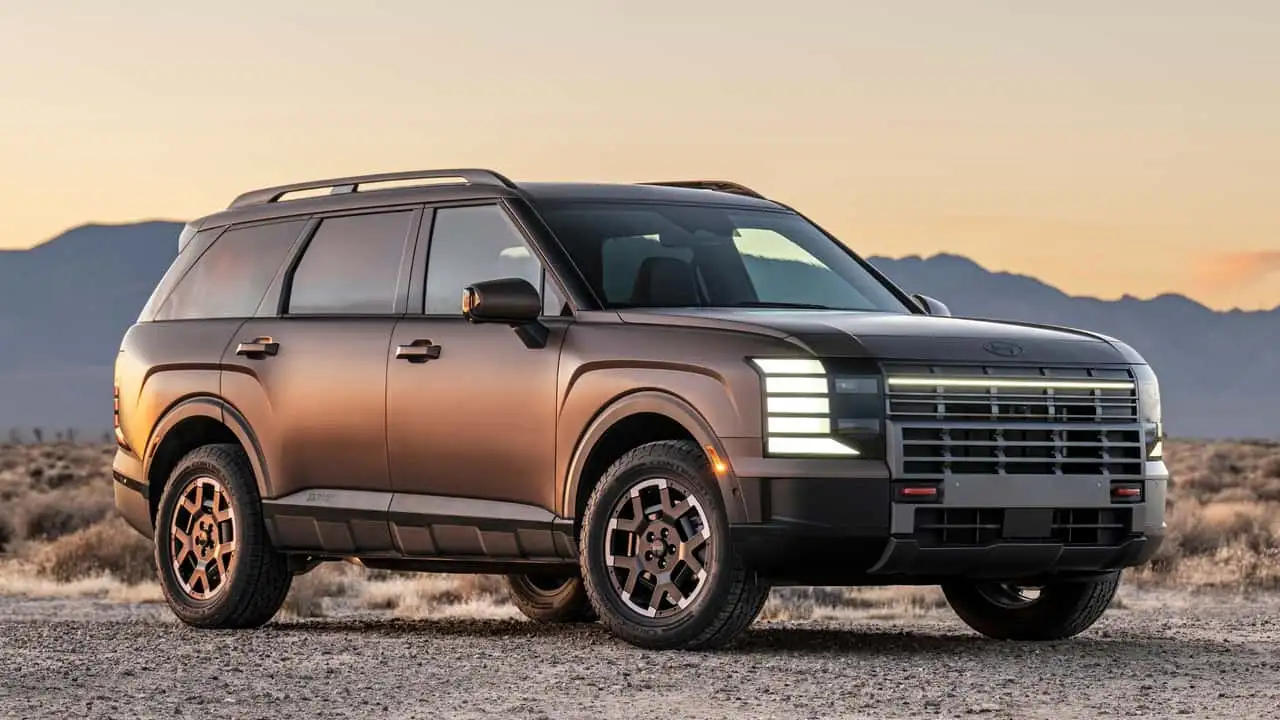
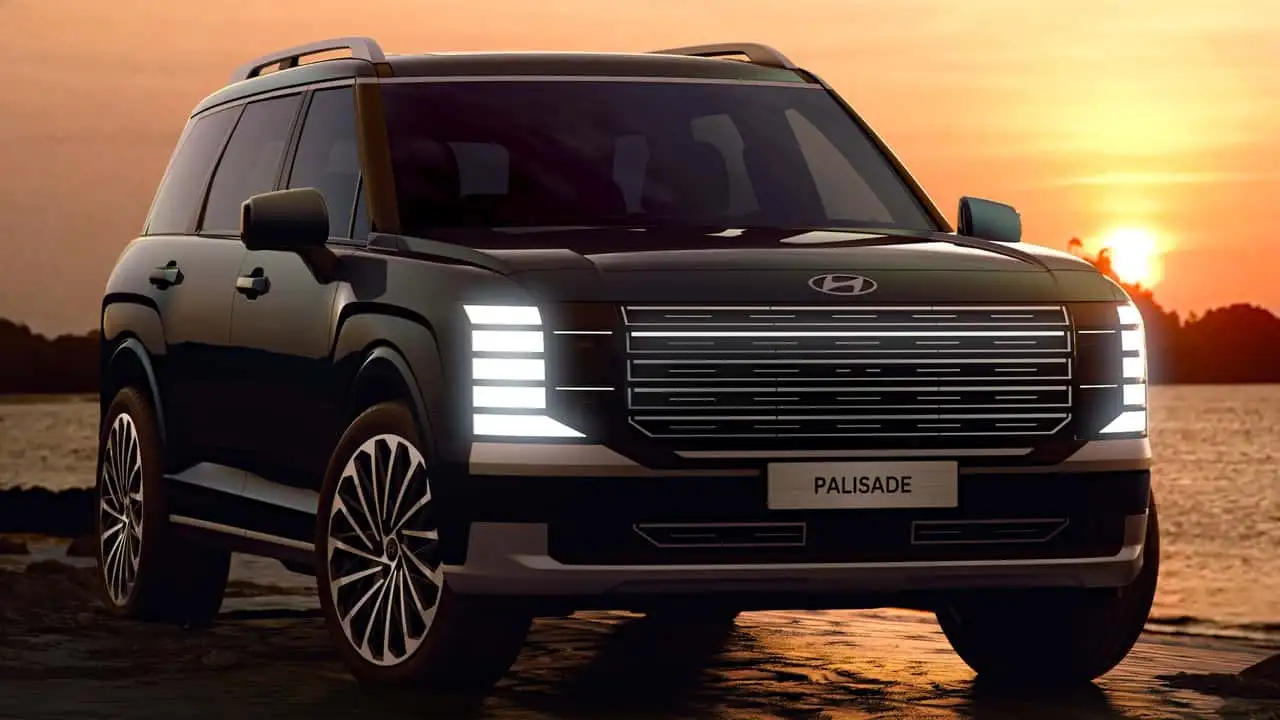
Hyundai Advanced Safety Systems Explained for Families
Hyundai’s advanced safety systems, including Forward Collision-Avoidance Assist and Safe Exit Assist, protect families in models like the Tucson and Palisade. Hyundai Advanced Safety Systems actively prevent accidents and alert passengers before opening doors near traffic. Millennium Hyundai offers new and used Hyundai vehicles, providing Long Island families with peace of mind on every journey.
Shop New, Certified & Pre-Owned Hyundai
Browse inventory, book service, and apply for financing all in one place at Millennium Hyundai — serving Hempstead, Garden City, Uniondale, Freeport, Levittown, Valley Stream, and all of Long Island, NY.
Key Takeaways
- Hyundai SmartSense uses cameras, radars, and ultrasonic sensors to create a 360-degree awareness bubble around the vehicle.
- Forward Collision-Avoidance Assist detects vehicles, pedestrians, and cyclists and applies emergency braking to prevent frontal collisions.
- Safe Exit Assist locks rear doors when approaching traffic is detected, preventing children from opening doors into danger.
- Rear Occupant Alert uses ultrasonic sensors to detect movement in the back seat and sounds the horn to prevent child lock-ins.
What Are Hyundai Advanced Safety Systems?
Hyundai Advanced Safety Systems form a comprehensive suite of driver-assistance technologies engineered to help drivers maintain control and avoid potential hazards. Hyundai SmartSense is the brand's umbrella term for this collection of features. The systems use a combination of cameras, radars, and ultrasonic sensors to monitor the vehicle's surroundings continuously.
These technologies work together to provide a safer driving experience. Sensors detect obstacles, lane markings, and other vehicles in real time. The system then alerts the driver or intervenes automatically when a collision risk is identified. Hyundai SmartSense features come standard with many Hyundai vehicles, making advanced protection accessible without requiring expensive option packages.
How Do the Sensors and Cameras Work Together?
The camera, radar, and ultrasonic sensors each perform distinct monitoring tasks. Cameras read lane lines and traffic signs. Radars measure the distance and speed of objects ahead. Ultrasonic sensors detect nearby obstacles during low-speed maneuvers. The combined data creates a 360-degree awareness bubble around the vehicle, enabling split-second responses that a driver alone cannot match.
Which Hyundai Models Include These Safety Technologies?
Many new Hyundai sedans and SUVs carry SmartSense as standard equipment. Millennium Hyundai offers new and used Hyundai vehicles. The standard inclusion means families do not need to compromise on protection when selecting a vehicle that fits their budget and space requirements.
How Does Forward Collision-Avoidance Assist Work?
Forward Collision-Avoidance Assist (FCA) uses onboard sensors to detect vehicles, pedestrians, and cyclists in the vehicle's path. The system alerts the driver and can apply emergency braking to prevent or reduce the severity of a frontal collision. This technology is part of the broader Hyundai Advanced Safety Systems suite, which relies on a network of cameras and radars. According to an article from Chris Crain Hyundai, Hyundai SmartSense technologies combine cameras, radars, and ultrasonic sensors to create a safer driving experience. These components constantly scan the road ahead, measuring distance and relative speed to identify potential hazards.
What triggers the automatic braking in Forward Collision-Avoidance Assist?
The system triggers braking when it calculates a high risk of collision and the driver has not reacted in time. A forward-facing camera and front radar work together to confirm the threat. If the driver brakes but provides insufficient force, the system supplements stopping power. When no driver action occurs, full autonomous braking engages to stop the vehicle or slow it significantly.
How does Junction Turning Detection improve intersection safety?
Junction Turning Detection adds a layer of protection at intersections. When the turn signal activates, the system monitors oncoming traffic in the opposite lane. A safety guide from Riverhead Hyundai notes that this feature detects oncoming vehicles during left-turn maneuvers. If a collision risk appears, the system warns the driver and applies the brakes automatically. This addresses one of the most common and dangerous accident scenarios for family drivers on Long Island roads.
Proper sensor alignment keeps these features functioning accurately. Millennium Hyundai provides tire services including inspections, rotations, balancing, pressure checks, and tread depth measurements. Even minor bumper impacts can knock sensors out of alignment, degrading system performance without triggering a dashboard warning. Regular calibration checks prevent this silent failure mode.
What Child Safety Features Does Hyundai Offer?
Hyundai equips family vehicles with child-focused safety technology that prevents common parking lot and driveway accidents. Hyundai Advanced Safety Systems include four specific features that protect children during exits, lock-ins, and backing maneuvers.
Safe Exit Assist (SEA) prevents doors from opening into oncoming traffic or cyclists. The system monitors approaching vehicles and temporarily locks rear doors when a hazard is detected. Parents gain critical seconds when children unbuckle quickly after parking.
Rear Occupant Alert (ROA) uses ultrasonic sensors to guard against accidental child lock-ins. The system detects movement in the back seat after the driver exits. A horn alert and dashboard warning remind drivers to check the rear cabin.
How Does Safe Exit Assist Protect Children?
Safe Exit Assist activates when a vehicle approaches from behind. The system holds rear doors locked for several seconds. This delay prevents a child from swinging a door into a passing car or cyclist.
What Happens If a Child Is Left in the Back Seat?
Rear Occupant Alert sounds the horn if movement is detected after locking. Ultrasonic sensors scan the rear cabin for breathing or motion. The alert repeats until the driver returns to the vehicle.
Rear Cross-Traffic Collision-Avoidance Assist (RCCA) helps when backing out in crowded school lots. The system detects vehicles approaching from either side. It warns the driver and applies brakes automatically if a collision is imminent.
Millennium Hyundai offers brake services including inspections, pad replacements, rotor resurfacing or replacements, fluid flushes, and system diagnostics. Regular brake maintenance keeps these collision-avoidance systems functioning at full capacity. Worn pads or degraded fluid reduce stopping power when RCCA triggers emergency braking.
| Feature | Primary Function | Key Benefit |
|---|---|---|
| Safe Exit Assist | Locks rear doors near traffic | Prevents door strikes |
| Rear Occupant Alert | Detects motion after exit | Prevents child lock-ins |
| RCCA | Monitors cross traffic | Avoids backing collisions |
These systems work together during the highest-risk moments of family driving. School drop-off lanes, crowded parking lots, and driveway exits all present hazards that Hyundai child safety features address directly.
How Does Blind-Spot View Monitor Enhance Safety?
Blind-Spot View Monitor (BVM) reduces lane-change risk by projecting a live video feed of the vehicle's blind spots directly into the digital instrument cluster. A driver activates the turn signal and immediately sees a clear, real-time view of adjacent lanes, eliminating the guesswork that leads to sideswipe collisions. Without this visual confirmation, drivers lose critical awareness of vehicles hidden behind the side mirrors' field of view.
The system works alongside Hyundai Advanced Safety Systems to create overlapping layers of protection. Blind-Spot Collision-Avoidance Assist (BCA) adds an active intervention component. When BVM shows a vehicle in the blind spot and the driver begins to merge anyway, BCA applies selective braking to help prevent contact. This pairing of visual alert and automatic response addresses both the information gap and the split-second hesitation that causes accidents.
What Happens When BVM Detects a Vehicle in the Blind Spot?
The live camera feed appears the moment the turn signal engages. The display shows the adjacent lane with a wide-angle view that covers areas traditional mirrors miss. Drivers see cars, motorcycles, and even cyclists that would otherwise remain invisible. The image remains on screen only while the signal is active, keeping the interface clean and distraction-free during straight-line driving.
How Does BVM Work with Other Parking and Highway Features?
BVM integrates into a broader safety ecosystem that protects families across different driving scenarios. Surround View Monitor (SVM) provides a 360-degree overhead perspective for tight driveway and parking maneuvers, helping drivers spot low obstacles and curbs. On longer trips, Highway Driving Assist (HDA) reduces stress on family road trips by maintaining set speed and following distance while centering the vehicle in its lane. These technologies share sensor data and processing logic, creating consistent protection whether navigating a crowded school parking lot or cruising on the Southern State Parkway.
Maintaining these systems requires proper vehicle care. Millennium Hyundai provides tire services including inspections and rotations to maintain sensor accuracy, since wheel-speed sensors and camera alignment depend on correct tire positioning and pressure. Regular service keeps every component of the safety suite calibrated and responsive.
Which Hyundai Models Are Best for Families?
Hyundai builds several vehicles that meet the demands of family life. The Tucson, Santa Fe, and Palisade SUVs deliver generous seating and Hyundai Advanced Safety Systems, while the Elantra and Sonata sedans provide strong safety credentials in efficient packages. Millennium Hyundai offers these new and used Hyundai vehicles to shoppers across Long Island.
How do Hyundai SUVs serve different family sizes?
The SUV lineup scales to match household needs. The compact Tucson handles school runs and city parking with ease. A three-row model like the Palisade accommodates car pools and extended family travel. The Santa Fe sits between them, offering a balanced mix of passenger space and maneuverability for daily commutes and weekend trips.
What makes Hyundai sedans a practical family choice?
Sedans remain a sensible option for families who prioritize fuel economy and lower ownership costs. The Elantra and Sonata are popular choices that deliver family-focused benefits. Both models incorporate advanced safety technology and spacious cabins. Their trunk capacity supports grocery runs and sports equipment, while the refined ride quality reduces fatigue on longer highway commutes.
Families in Hempstead and Garden City face varied driving conditions, from stop-and-go traffic to open parkway cruising. Hyundai equips these vehicles with driver-assistance features that monitor surroundings and alert drivers to potential hazards. That technology, combined with thoughtful interior layouts, makes the Tucson, Santa Fe, Palisade, Elantra, and Sonata relevant options worth test-driving.
How Does Smart Cruise Control Help in Traffic?
Smart Cruise Control (SCC) with Stop & Go actively manages speed and braking in congested conditions. The system maintains a preset distance from the vehicle ahead without constant driver input. This technology transforms stop-and-go driving from a fatiguing chore into a more controlled experience.
Hyundai Advanced Safety Systems include SCC as a core component of the broader SmartSense suite. Hyundai SmartSense is the brand’s comprehensive collection of advanced driver-assistance systems that help drivers maintain control and avoid potential hazards. The system automatically adjusts speed to preserve a safe following distance. It also brings the vehicle to a complete stop when traffic halts and resumes forward motion when the path clears.
How Does SCC Function on Busy Parkways?
The system uses forward-facing sensors to monitor the vehicle directly ahead. SCC with Stop & Go is designed for heavy traffic on roads like the Southern State Parkway. Drivers navigating the Meadowbrook Parkway encounter similar benefits during peak commuting hours. The technology reduces the need to constantly switch between accelerator and brake pedals.
What Happens When Traffic Comes to a Standstill?
SCC brings the vehicle to a full stop behind the car ahead. After stopping, the system holds the brakes until the driver taps the accelerator or a steering wheel control. This pause gives drivers a moment to assess conditions before moving again. The vehicle then accelerates back to the preset speed once traffic flows.
Millennium Hyundai serves communities near Huntington, Long Island, Hicksville, and Valley Stream. Families in these areas regularly face congested parkway conditions where SCC provides measurable relief. The system does not replace attentive driving. It functions as a supportive tool that lessens the physical demands of long commutes. Drivers retain full responsibility for steering and monitoring the road environment at all times.
What Maintenance Keeps Safety Systems Accurate?
Certified maintenance keeps Hyundai Advanced Safety Systems accurate through precise sensor calibration and genuine parts. Routine service prevents the gradual misalignment that degrades camera, radar, and ultrasonic sensor performance over time.
Why Does Sensor Calibration Drift Over Time?
Sensors shift from everyday driving. Minor impacts, potholes, and even routine suspension work alter the angle of forward-facing cameras and radar units by fractions of a degree. A sensor off by just one degree misreads lane markings at highway speeds. Windshield replacement disturbs camera mounts. Rear bumper contact knocks ultrasonic parking sensors out of alignment. Without recalibration, these systems lose their detection accuracy.
Millennium Hyundai's service department offers certified maintenance for safety sensor calibration. Technicians follow factory procedures to restore each sensor to its specified position and verify system operation.
What Routine Services Support Safety System Health?
Several maintenance items directly affect safety technology performance. Clean electrical power matters. Battery services include inspections, testing, replacements, and terminal cleaning. Corroded terminals or a weak battery cause voltage fluctuations that interfere with sensor modules and control units.
Engine performance plays a role too. Hyundai oil change services use Genuine Hyundai Motor Oil and filters to maintain vehicle performance. Consistent engine operation prevents the vibrations and electrical noise that disrupt sensitive ADAS components.
| Service Type | Safety System Impact |
|---|---|
| Sensor calibration | Restores camera/radar alignment |
| Battery inspection | Prevents voltage-related sensor faults |
| Oil change with genuine parts | Reduces engine vibration interference |
Service hours are Monday through Saturday from 7:00 AM to 4:00 PM. The department remains closed on Sunday. Scheduling calibration checks alongside routine maintenance prevents the compounding errors that make safety systems unreliable when drivers need them most.
How Can You Test Drive SmartSense Features?
Millennium Hyundai in Hempstead schedules test drives of new Hyundai models equipped with Hyundai Advanced Safety Systems. A hands-on evaluation lets family shoppers experience SmartSense technology in real traffic conditions before making a purchase decision. Without this step, drivers miss the chance to verify how collision warnings and lane-keeping respond on familiar Long Island roads.
What Should Drivers Evaluate During a SmartSense Test Drive?
A structured route reveals how the technology performs under everyday stress. Drivers should plan a loop that includes highway merging, stop-and-go traffic, and tight parking maneuvers. These scenarios activate the most relevant safety alerts.
- Forward Collision-Avoidance Assist: Note whether the system provides early, clear warnings when approaching slower traffic. The response should feel predictable, not jarring.
- Lane Keeping Assist: Observe steering wheel feedback on a straight road with visible lane markings. The correction should be gentle and easy to override.
- Blind-Spot Collision Warning: Check for visual and audible alerts when a vehicle enters the blind spot during a lane change on Route 24 or the Meadowbrook Parkway.
When Are Test Drives Available at the Hempstead Dealership?
Sales representatives at Millennium Hyundai conduct test drives Monday through Friday from 9:00 AM to 9:00 PM. Saturday hours run from 9:00 AM to 6:00 PM, and Sunday appointments are available from 11:00 AM to 5:00 PM. Families from Garden City, West Hempstead, Uniondale, Mineola, and Franklin Square can schedule a session by phone or through the dealership's online portal. Booking a weekday morning slot often means lighter traffic for a focused evaluation.
FAQ
How does Forward Collision-Avoidance Assist work?
Forward Collision-Avoidance Assist uses sensors to detect vehicles, pedestrians, and cyclists. The system alerts the driver and applies emergency braking to prevent or reduce frontal collisions.
What does Safe Exit Assist do for families?
Safe Exit Assist locks rear doors when approaching traffic is detected. This prevents children from opening doors into danger.
Conclusion
Hyundai SmartSense technology transforms daily commutes on Long Island’s busiest parkways into safer, less demanding experiences for families. Forward Collision-Avoidance Assist, Lane Keeping Assist, and Blind-Spot Collision Warning work together to reduce accident risk, while Smart Cruise Control with Stop & Go eases the strain of congested traffic.
Certified maintenance preserves sensor accuracy, ensuring these systems perform reliably when needed most. A test drive at the Hempstead dealership allows families to verify how these features respond on familiar roads before making a purchase decision.
Our Hempstead Showroom
Hempstead, NY 11550
Millennium Hyundai
Address
265 N Franklin St
Hempstead, NY 11550
Phone
- Sales 516-272-4351
- Service 516-874-3861
- Parts 516-279-3418
| Monday | 9:00AM - 9:00PM |
| Tuesday | 9:00AM - 9:00PM |
| Wednesday | 9:00AM - 9:00PM |
| Thursday | 9:00AM - 9:00PM |
| Friday | 9:00AM - 9:00PM |
| Saturday | 9:00AM - 6:00PM |
| Sunday | 11:00AM - 5:00PM |
| Monday | 7:00AM - 4:00PM |
| Tuesday | 7:00AM - 4:00PM |
| Wednesday | 7:00AM - 4:00PM |
| Thursday | 7:00AM - 4:00PM |
| Friday | 7:00AM - 4:00PM |
| Saturday | 7:00AM - 4:00PM |
| Sunday | Closed |
| Monday | 7:00AM - 4:00PM |
| Tuesday | 7:00AM - 4:00PM |
| Wednesday | 7:00AM - 4:00PM |
| Thursday | 7:00AM - 4:00PM |
| Friday | 7:00AM - 4:00PM |
| Saturday | 7:00AM - 4:00PM |
| Sunday | Closed |
