


How Hyundai Safety Features Protect Your Family
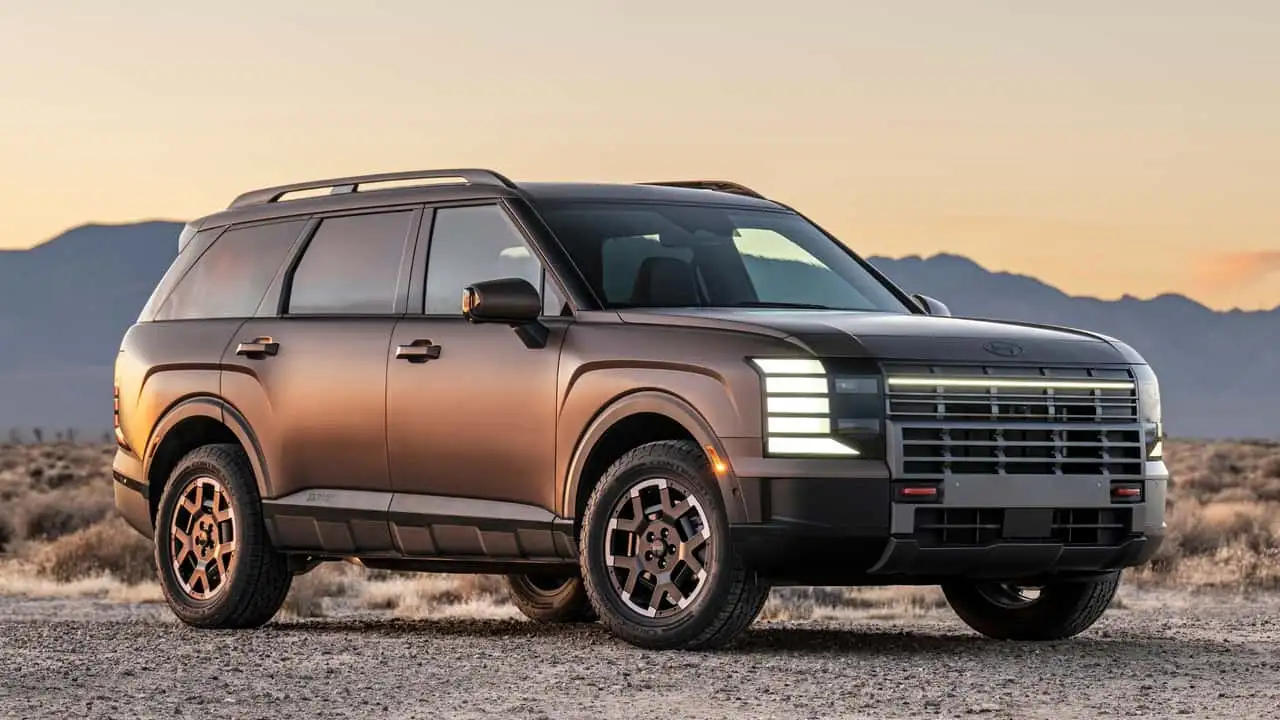
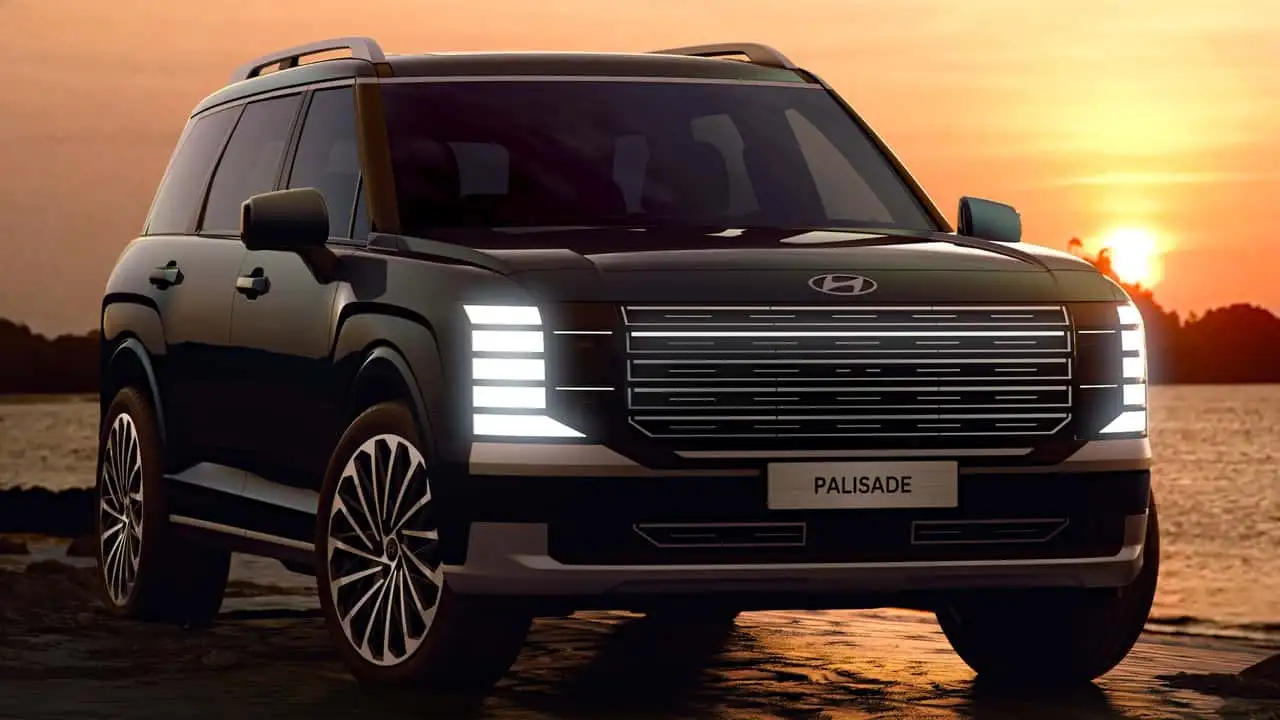
Hyundai Collision Avoidance Features: Protecting Your Family
Hyundai vehicles integrate Forward Collision-Avoidance Assist and Lane Keeping Assist to help prevent accidents before they occur. Hyundai Collision Avoidance Features improve awareness during school drop-offs and highway commutes. Robust structural designs further protect occupants, providing families in Hempstead and Garden City with confidence on every journey.
Shop New, Certified & Pre-Owned Hyundai
Browse inventory, book service, and apply for financing all in one place at Millennium Hyundai — serving Hempstead, Garden City, Uniondale, Freeport, Levittown, Valley Stream, and all of Long Island, NY.
Key Takeaways
- Forward Collision-Avoidance Assist scans for vehicles and pedestrians, issuing warnings and applying emergency braking when a collision risk emerges.
- Lane Keeping Assist monitors lane markings and applies gentle steering corrections when the vehicle drifts without a turn signal.
- Blind-Spot Monitoring watches adjacent lanes and alerts drivers with a warning light and audible chime when a vehicle enters the blind zone.
- Hyundai vehicles integrate sensors and cameras that monitor surrounding traffic continuously, alerting drivers to hazards before they escalate.
What makes Hyundai safety features essential for families?
Hyundai safety features reduce collision risks and protect occupants through active monitoring and robust structural engineering. Parents across Hempstead and Long Island gain critical reaction time when sensors detect threats that human eyes miss during chaotic school runs or highway merges.
Hyundai Collision Avoidance Features form the core of the brand's protective strategy. These systems do not replace attentive driving. Instead, they serve as a constant digital co-pilot, scanning blind spots and tracking cross-traffic while the driver manages navigation and in-cabin distractions. Families who skip these technologies lose a layer of awareness that prevents low-speed parking lot scrapes and high-speed lane-change dangers alike.
How do driver-assistance features improve family safety?
Driver-assistance technology sharpens situational awareness during routine trips. This early warning system proves especially valuable when children in the back seat divide a parent's focus. The technology supports safer habits without overwhelming the driver with false alarms or complex interfaces.
What structural protections do Hyundai vehicles offer families?
Advanced safety features pair with rigid chassis designs that absorb and redirect crash energy away from the cabin. Hyundai's commitment to safety ensures peace of mind on every journey through this dual approach: prevention first, protection second. The vehicle structure itself acts as a safety cell, engineered to maintain integrity during impacts that might otherwise compromise passenger space.
Millennium Hyundai offers new and used Hyundai vehicles equipped with these protective systems for Hempstead-area families. Shoppers evaluating sedans or SUVs find consistent safety technology across the lineup, from compact models to three-row family haulers. The dealership's inventory lets parents compare how collision avoidance features and structural engineering work together in different body styles.
How does Hyundai SmartSense technology actually work?
Hyundai SmartSense operates through a network of cameras, radar sensors, and software algorithms that constantly monitor the road. These components work together to scan the front, sides, and some areas behind the vehicle. The system acts like an extra set of eyes, detecting potential hazards before a driver notices them.
The technology processes sensor data in real time. Cameras identify lane markings, traffic signs, and other vehicles. Radar sensors measure distance and speed of surrounding objects. Software algorithms then interpret this information and trigger alerts or automatic interventions when a collision risk emerges.
What components make up the Hyundai SmartSense system?
Three core elements power the system. Forward-facing cameras mounted near the rearview mirror capture visual data about the road ahead. Radar sensors positioned in the front grille and rear bumper track object proximity and velocity. Onboard software fuses these inputs and decides when to warn the driver or activate braking.
How do Hyundai Collision Avoidance Features prevent accidents?
Hyundai Collision Avoidance Features intervene before impact becomes inevitable. Forward Collision-Avoidance Assist scans for vehicles and pedestrians crossing into the vehicle's path. When the system calculates a high collision probability, it issues audible and visual warnings. If the driver does not respond, automatic emergency braking engages to reduce impact severity or avoid the crash entirely.
Lane Keeping Assist adds another layer of protection. Cameras track lane position and apply gentle steering corrections when the vehicle drifts without a turn signal. Blind-Spot Monitoring watches adjacent lanes and alerts drivers to vehicles hidden from view. These systems do not replace attentive driving. They provide a safety net that catches what human eyes miss during busy school runs or crowded Long Island commutes.
Which collision avoidance features protect your family daily?
Three core technologies form Hyundai's active safety shield. Hyundai Collision Avoidance Features include Forward Collision-Avoidance Assist, Lane Keeping Assist, and Blind-Spot Monitoring. These systems work together to provide alerts and assistance during critical moments on Long Island roads.
How does Forward Collision-Avoidance Assist work in traffic?
Forward Collision-Avoidance Assist scans the road ahead for vehicles, pedestrians, and obstacles. The system issues warnings when a potential impact is detected. It applies emergency braking if the driver fails to respond in time. This technology provides valuable assistance in real-world situations where quick reactions matter, though it does not replace attentive driving.
What does Lane Keeping Assist do on highways?
Lane Keeping Assist monitors lane markings and the vehicle's position between them. The system provides gentle steering corrections when unintended drifting occurs. Drivers receive visual and audible alerts before any correction activates. This feature enhances the driving experience during long highway stretches and busy school runs alike.
Why is Blind-Spot Monitoring essential for family vehicles?
Blind-Spot Monitoring watches adjacent lanes for vehicles hidden from the driver's view. A warning light appears in the side mirror when another car enters the blind zone. An audible chime sounds if the turn signal activates while a vehicle occupies that space. Parents navigating crowded parking lots and multi-lane traffic gain an extra layer of awareness from this constant vigilance.
These three systems do not replace careful driving habits. They serve as a second set of eyes, providing alerts and assistance when drivers need them most. For families in Hempstead and across Long Island, that support transforms daily commutes and weekend trips into safer, more confident journeys.
What kid-specific safety tech does Hyundai offer?
Hyundai equips family vehicles with driver-assistance technology that helps parents stay aware of their surroundings. These systems provide an extra layer of vigilance during school runs, highway merges, and crowded parking lots.
The brand's approach centers on prevention rather than just protection. Hyundai Collision Avoidance Features actively monitor the road and can intervene when a potential hazard goes unnoticed. A vehicle equipped with Forward Collision-Avoidance Assist scans for cars, pedestrians, and cyclists ahead. If the system detects an imminent threat and the driver does not react in time, it applies emergency braking automatically. This split-second response proves especially valuable in stop-and-go traffic near schools or on busy Long Island parkways.
How do Hyundai safety systems help with distracted driving moments?
Every parent knows how quickly a distraction can happen inside the cabin. A spilled drink or a dropped toy pulls attention away from the road at critical moments. Hyundai's Lane Keeping Assist detects when the vehicle begins to drift out of its lane without a turn signal activated. The system then provides gentle steering correction to guide the car back to center. This technology does not replace attentive driving, but it serves as a reliable backup during momentary lapses.
What role does blind-spot monitoring play for family vehicles?
Changing lanes with a full back seat creates genuine stress for drivers. Rearward visibility shrinks when child seats block the view through the back window. Blind-Spot Collision-Avoidance Assist uses radar sensors to watch the vehicle's flanks and alerts the driver when another car occupies the blind zone. If the driver signals a lane change anyway, the system can apply selective braking to help prevent a collision. For families navigating multi-lane roads through Hempstead and surrounding communities, this feature reduces a daily source of anxiety.
The safety systems in Hyundai vehicles play a significant role in parental peace of mind. Millennium Hyundai serves families near Huntington, Long Island, Hicksville, and Valley Stream with models that integrate these protective technologies. Shoppers exploring the lineup find that these features work together to create a more confident driving experience, whether heading to a weekend soccer match or navigating the Southern State Parkway during rush hour.
How do Hyundai safety features help on Long Island commutes?
Hyundai safety features transform stressful Long Island commutes into more manageable drives. Hyundai Collision Avoidance Features actively monitor the road and alert drivers to potential hazards before they escalate.
Long Island traffic creates constant pressure for parents shuttling children between school, activities, and appointments. The stop-and-go rhythm of Route 58 and congested parkways demands constant vigilance. Hyundai equips its vehicles with systems that watch surrounding traffic and provide real-time warnings. These technologies do not replace attentive driving. They serve as a reliable backup when distractions multiply.
What makes Hyundai's approach to accident prevention different?
Many automakers focus primarily on crash protection. Hyundai prioritizes helping drivers avoid collisions entirely. Sensors track the vehicle ahead and measure closing speed. Alerts sound when a potential impact is detected. This proactive philosophy reduces the likelihood of fender benders in heavy commuter traffic.
How do Hyundai sensors work in real-world driving?
The technology functions like an extra set of eyes scanning the road continuously. Cameras and radar units monitor blind spots that mirrors miss. Lane-keeping sensors detect unintended drifting and gently nudge the vehicle back into position. For parents managing backseat conversations while navigating highway merges, these alerts provide critical awareness. The systems react faster than human reflexes in many scenarios.
Families across Hempstead and surrounding Long Island communities face unique driving challenges. Narrow parkways, sudden braking, and aggressive merging define daily travel. Hyundai safety technology addresses each of these pain points directly. The result is a calmer cabin environment and measurably reduced stress behind the wheel. Millennium Hyundai helps local families explore vehicles equipped with these protective systems.
What passive safety engineering protects you in a crash?
Hyundai vehicles protect occupants through high-strength steel frames and engineered crumple zones. These structural elements absorb and redirect crash energy away from the cabin. The design prioritizes keeping the passenger compartment intact during severe impacts.
Hyundai Collision Avoidance Features grab headlines, but passive safety engineering works silently. It does not rely on sensors or alerts. It relies on physics and metallurgy. The body structure itself becomes the first and last line of defense.
How do Hyundai crumple zones protect passengers?
Crumple zones are precisely engineered sections of the vehicle frame. They deform in a controlled manner during a collision. This deformation converts kinetic energy into heat and mechanical work. Less energy reaches the occupants. The passenger cell stays rigid while the front and rear sections collapse predictably.
High-strength steel reinforces critical areas like the roof pillars and door beams. These materials resist intrusion during rollovers and side impacts. The combination of soft zones and hard zones creates a survival space. Hyundai's commitment to safety includes robust structural designs for occupant protection, as noted in the company's published safety philosophy.
What structural materials make Hyundai cabins stronger?
Advanced high-strength steel forms the backbone of Hyundai's passenger compartments. This material offers greater tensile strength than conventional steel. It weighs less while providing superior resistance to bending and tearing. Strategic placement around the cabin creates a protective ring.
The frame uses multiple grades of steel. Each grade serves a specific function. Some sections absorb energy. Others prevent deformation. This layered approach maintains cabin integrity even when impact forces exceed design thresholds. The engineering team calibrates every joint and weld for maximum energy dissipation.
Regular maintenance supports long-term structural safety. Millennium Hyundai offers brake services including inspections, pad replacements, rotor resurfacing or replacements, fluid flushes, and system diagnostics. Properly functioning brakes help drivers avoid the collisions that test passive safety systems. A well-maintained vehicle preserves the engineering investments built into every Hyundai model.
Which Hyundai models are best for family safety?
Hyundai's lineup gives Hempstead families several strong safety-focused choices. The selection spans sedans, SUVs, and electrified options, each with distinct advantages for daily commutes and weekend trips. Parents who skip this research lose valuable time comparing models that do not fit their actual needs.
Hyundai Collision Avoidance Features appear across popular models, including the Sonata, Elantra, Tucson, Santa Fe, and Kona Electric. The Kona showcases advanced safety features alongside a versatile interior, delivering a secure ride for growing families. Millennium Hyundai commonly stocks these models plus hybrid and plug-in hybrid alternatives.
Which Hyundai SUV works best for a family?
The Tucson and Santa Fe lead for passenger space and cargo flexibility. Both SUVs suit school runs, sports gear, and Long Island highway travel. Families needing three rows gravitate toward the Santa Fe's larger footprint.
Are Hyundai sedans safe enough for new drivers?
The Sonata and Elantra provide collision avoidance technology in a lower, easier-to-handle package. These sedans suit first-time drivers and commuters who want safety without an SUV's size. The Elantra's efficient footprint also helps with tight Hempstead parking.
| Model | Body Style | Best For |
|---|---|---|
| Tucson | SUV | Growing families, daily errands |
| Santa Fe | SUV | Larger families, road trips |
| Sonata | Sedan | Commuters, new drivers |
| Elantra | Sedan | First cars, city parking |
| Kona Electric | Electric SUV | Zero-emission family driving |
The Kona Electric adds zero-emission driving to the safety equation. Families with charging access gain a secure, efficient crossover without fuel stops.
How can Millennium Hyundai maintain your safety systems?
Millennium Hyundai keeps advanced driver-assistance technology performing at peak capability through factory-trained service. Regular maintenance prevents sensor misalignment and software degradation that silently compromise Hyundai Collision Avoidance Features. A Forward Collision-Avoidance Assist camera shifted by a pothole or a windshield replacement loses critical detection range. Families driving through Hempstead, Garden City, and Mineola face real risk when these systems drift out of calibration without triggering a dashboard warning.
What routine services protect collision avoidance sensors?
Three maintenance categories directly support safety system reliability. Tire services preserve the wheel-speed data that stability control and automatic braking depend on. Battery health ensures consistent voltage to radar units and cameras. Sensor calibration checks catch alignment errors before they create blind spots.
Millennium Hyundai provides tire services including inspections, rotations, balancing, pressure checks, and tread depth measurements. Uneven wear or incorrect pressure alters the rotational signals that feed traction and braking computers. Battery services cover inspections, testing, replacements, and terminal cleaning. Low voltage causes intermittent sensor faults that disable collision warning without illuminating a permanent light.
When should families schedule safety system maintenance?
FAQ
How do Hyundai collision avoidance features help prevent accidents?
Forward Collision-Avoidance Assist scans for vehicles and pedestrians, issuing warnings and applying emergency braking when a collision risk emerges. The vehicle structure acts as a safety cell, engineered to maintain integrity during impacts.
Where can Hempstead-area families find Hyundai vehicles with these safety features?
Millennium Hyundai in Hempstead, NY offers new and used Hyundai vehicles equipped with these protective systems. The dealership serves communities near Huntington, Long Island, Hicksville, and Valley Stream.
Conclusion
Hyundai’s layered safety approach, from crumple zones and high-strength steel to collision avoidance technology, creates a protective environment for every family member. Choosing a model like the Tucson, Santa Fe, or Sonata gives Hempstead drivers a vehicle engineered for both prevention and impact survival. Maintaining those systems through regular tire, battery, and sensor calibration services preserves that protection over time. Families ready to prioritize safety should visit Millennium Hyundai to explore these models and schedule the maintenance that keeps every safeguard working as designed.
Service hours run Monday through Saturday from 7:00 AM to 4:00 PM. The department closes on Sunday. Scheduling aligns with manufacturer intervals, but any windshield replacement, alignment, or front-end impact warrants immediate sensor verification. The service team can be reached at 516-874-3861 to book an appointment or discuss specific concerns about collision avoidance performance.
Our Hempstead Showroom
Hempstead, NY 11550
Millennium Hyundai
Address
265 N Franklin St
Hempstead, NY 11550
Phone
- Sales 516-272-4351
- Service 516-874-3861
- Parts 516-279-3418
| Monday | 9:00AM - 9:00PM |
| Tuesday | 9:00AM - 9:00PM |
| Wednesday | 9:00AM - 9:00PM |
| Thursday | 9:00AM - 9:00PM |
| Friday | 9:00AM - 9:00PM |
| Saturday | 9:00AM - 6:00PM |
| Sunday | 11:00AM - 5:00PM |
| Monday | 7:00AM - 4:00PM |
| Tuesday | 7:00AM - 4:00PM |
| Wednesday | 7:00AM - 4:00PM |
| Thursday | 7:00AM - 4:00PM |
| Friday | 7:00AM - 4:00PM |
| Saturday | 7:00AM - 4:00PM |
| Sunday | Closed |
| Monday | 7:00AM - 4:00PM |
| Tuesday | 7:00AM - 4:00PM |
| Wednesday | 7:00AM - 4:00PM |
| Thursday | 7:00AM - 4:00PM |
| Friday | 7:00AM - 4:00PM |
| Saturday | 7:00AM - 4:00PM |
| Sunday | Closed |
